
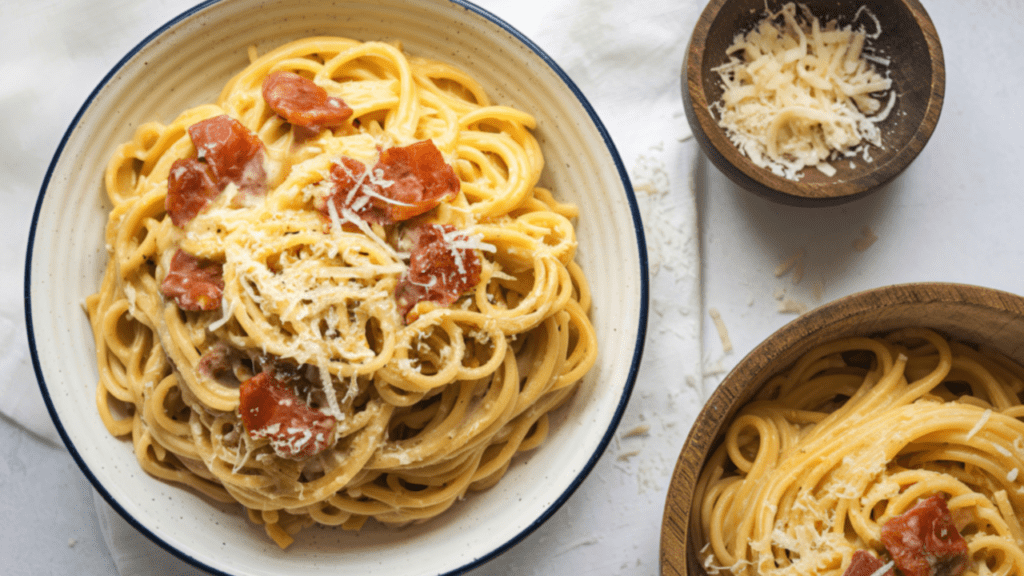
Few dishes in the world evoke the warmth of home-cooked comfort like Italian spaghetti. Whether you picture a steaming bowl of spaghetti tossed in vibrant tomato sauce or a plate delicately coated with olive oil, garlic, and herbs, this dish is much more than food — it’s a cultural symbol, a culinary tradition, and a timeless favorite.
From Italian grandmothers (nonnas) perfecting their family recipes to bustling trattorias serving bowls of silky spaghetti al dente, Italian spaghetti has travelled across centuries and continents to become one of the most loved dishes ever created.Home
In this long, detailed guide, we’ll explore:
- The fascinating story behind spaghetti
- The original Italian spaghetti recipe with ingredients
- A step-by-step cooking process
- Expert tips and mistakes to avoid
- Interesting and lesser-known facts
- Variations across regions
- Serving suggestions and more
Let’s dive deep into the world of pasta — the Italian way.
Ingredients for Authentic Italian Spaghetti
Before we jump into the process, let’s look at the ingredients for a classic version of italian spaghetti — the simple, beloved spaghetti al pomodoro (spaghetti with tomato sauce).
Primary Ingredients
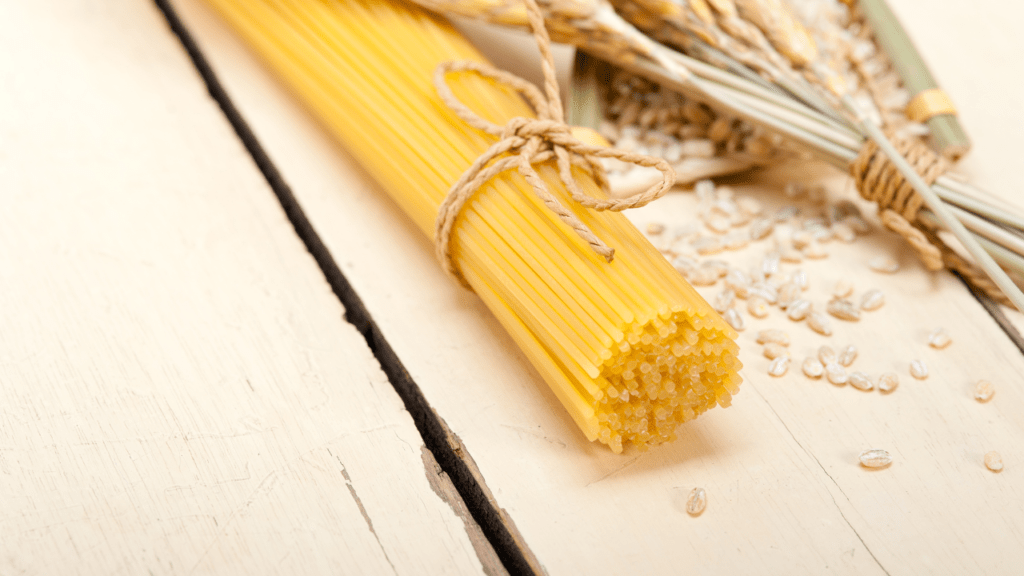
1. Spaghetti (Durum Wheat Pasta) – 250g
Use authentic dried Italian spaghetti for the best texture and chew.
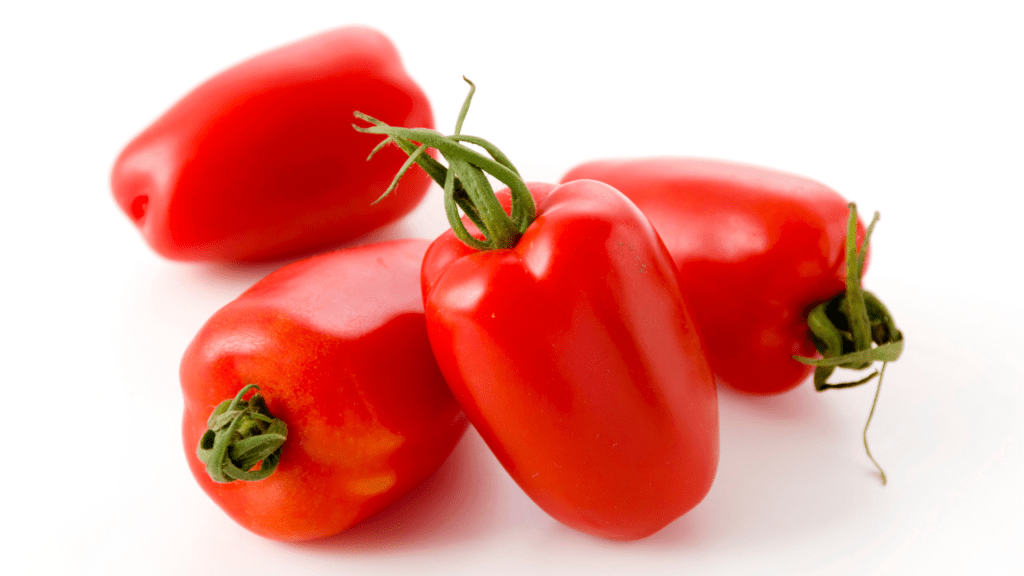
2. Ripe Tomatoes / Canned Italian Tomatoes – 4–5 medium OR 1 cup canned
San Marzano tomatoes are ideal because of their sweetness and low acidity.
3. Extra Virgin Olive Oil – 3 tablespoons
Good olive oil is the soul of real Italian cooking.
4. Garlic – 3–4 cloves (finely chopped or crushed)
Fresh garlic gives the sauce its signature fragrance.
5. Fresh Basil Leaves – A handful
Adds aroma and authenticity.
6. Salt – to taste
7. Black Pepper – to taste
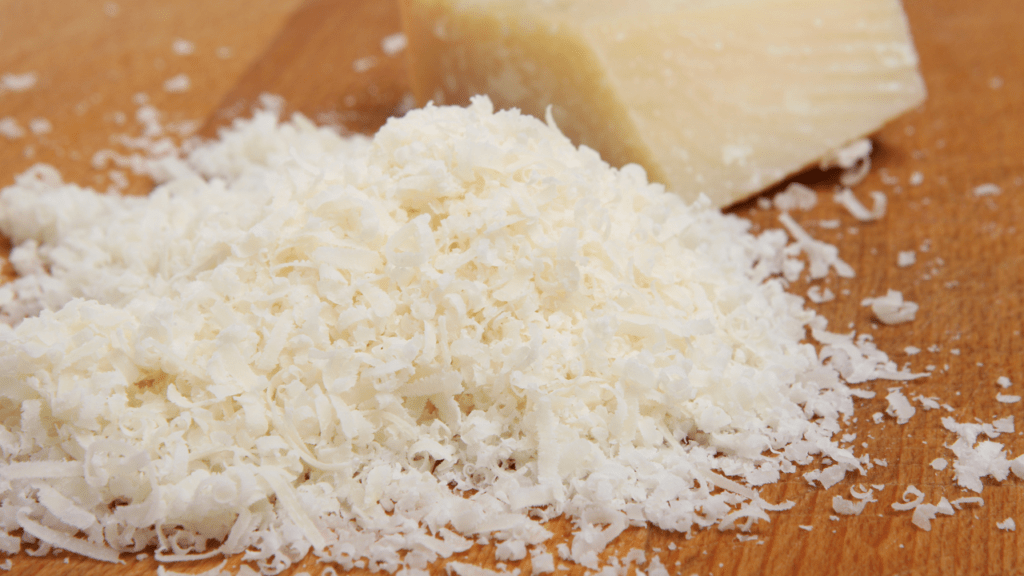
8. Parmesan Cheese (optional but classic) – ¼ cup grated
Optional Add-ons (Regional Variations)
- Crushed red chilli flakes
- Butter (for extra richness)
- Onion (finely chopped)
- Oregano
- Fresh parsley
- White wine (for depth of flavor)
Step-by-Step Process: How to Make Italian Spaghetti
This is the traditional home-style Italian method — simple, fragrant, and absolutely delicious.
Step 1: Boil the Spaghetti
- Take a large pot and fill it with 4–5 liters of water.
- Add 1 tablespoon of salt — Italians always salt the water generously.
- Once the water begins boiling, add the spaghetti.
- Stir occasionally to prevent sticking.
- Cook until al dente (firm to the bite), usually 8–10 minutes depending on brand.
Tip: Never break spaghetti before boiling — Italians consider it a crime against pasta!
Reserve Pasta Water
Before draining, keep ½ cup of the starchy water — it helps thicken and bind the sauce.
Step 2: Prepare the Tomato Sauce
- Heat olive oil in a pan.
- Add crushed garlic and sauté until fragrant.
- Add chopped tomatoes or canned tomatoes.
- Season with salt and pepper.
- Let it simmer for 10–12 minutes until thick and glossy.
- Add fresh basil leaves just before turning off the heat.
Tip: Do NOT overcook basil — it loses its flavor.
Step 3: Combine Spaghetti with the Sauce
- Add the cooked spaghetti into the sauce pan.
- Add a splash of pasta water.
- Toss well until spaghetti absorbs the sauce.
Italian Secret:
Pasta is cooked twice — once in water, once in its sauce.
This helps the flavors marry beautifully.
Step 4: Serve It the Italian Way
Plate the spaghetti in a swirl, drizzle a little extra virgin olive oil, and top with:
- Fresh basil
- A dusting of parmesan
- Cracked black pepper
Your authentic italian spaghetti is ready!
Regional Variations of Italian Spaghetti
Italy’s pasta culture is incredibly diverse. Each region has its own unique way of preparing spaghetti.
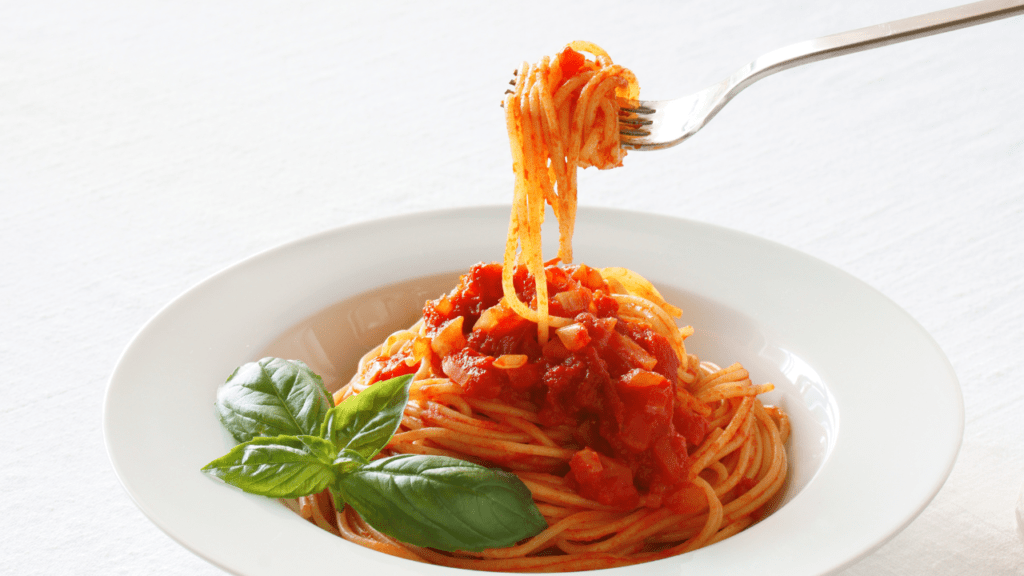
1. Spaghetti al Pomodoro (Classic Naples Style)
Simple tomato-garlic-basil sauce.
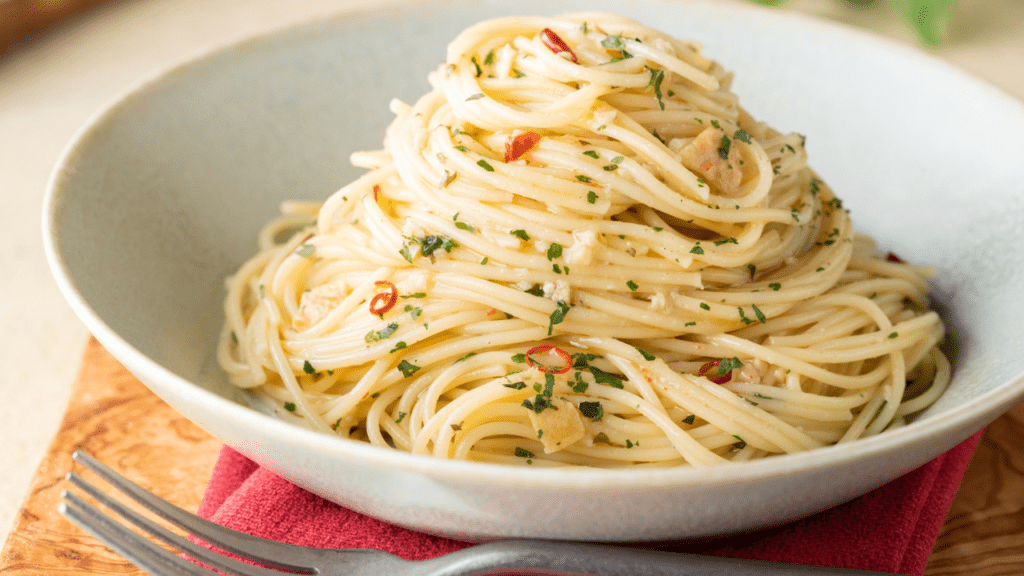
2. Spaghetti Aglio e Olio (Rome & Naples)
Olive oil, garlic, and chilli flakes — one of the simplest and tastiest versions.
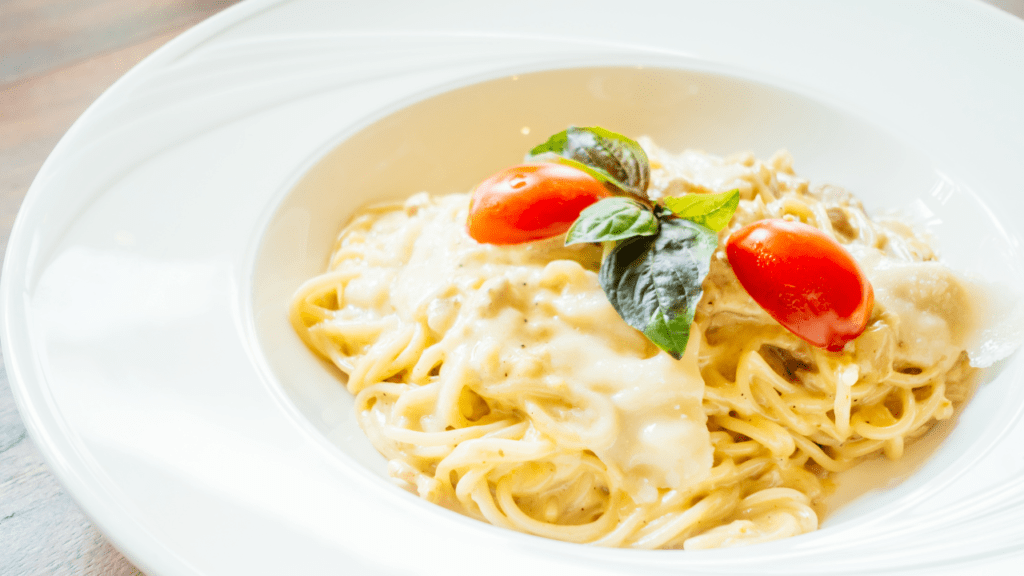
3. Spaghetti Carbonara (Rome)
Eggs, pecorino cheese, and guanciale — creamy WITHOUT cream.
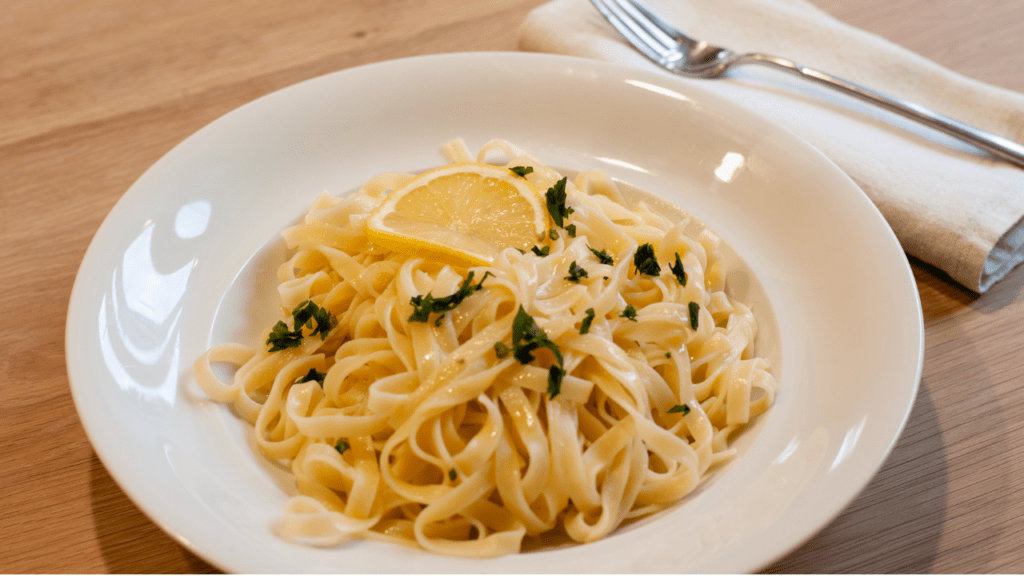
4. Spaghetti al Limone (Amalfi Coast)
Lemon zest, creaminess, basil — refreshing and aromatic.
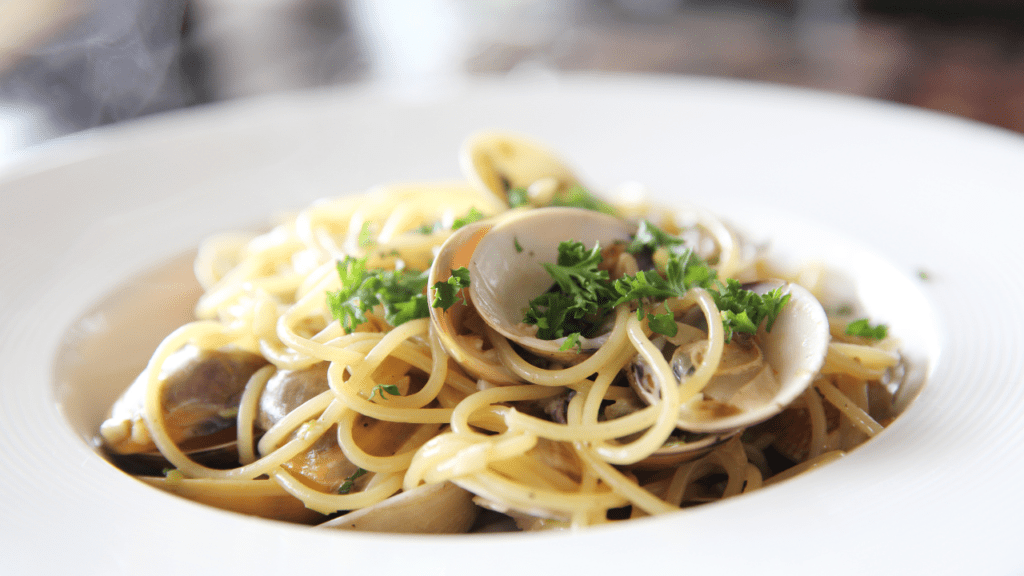
5. Spaghetti alle Vongole (Campania)
With clams — a coastal seafood delight.
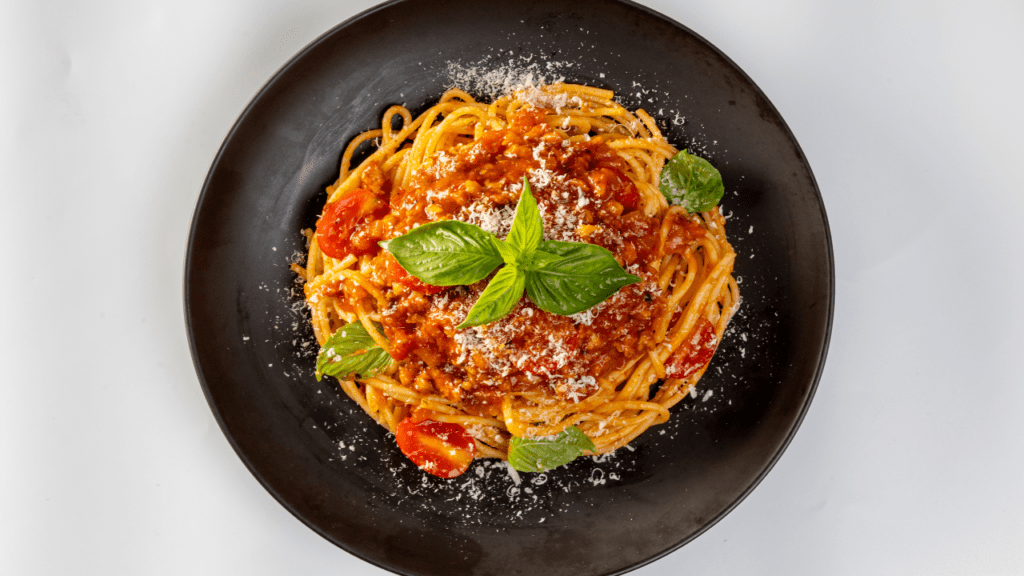
6. Spaghetti Bolognese (International)
Though famous worldwide, Italians traditionally serve Bolognese with tagliatelle, not spaghetti — but it has become a global favorite.google.com
The Story Behind Italian Spaghetti: A Journey Through Time
Italy is often credited as the land of pasta — and rightly so. But the history of italian spaghetti goes far beyond a simple bowl of noodles with sauce.
Did spaghetti originate in Italy?
Although many myths exist — including the popular belief that Marco Polo brought pasta from China — historians agree that pasta had already existed in Italy long before Polo’s travels. Ancient Roman writings mention lagane, long sheets of dough similar to lasagna, and early pasta preparations using wheat flour and water.
The Birth of Spaghetti
Spaghetti as we know it — thin, long strands of pasta — emerged somewhere between the 12th and 14th centuries in Southern Italy, particularly Naples and Sicily. This region had the perfect climate for growing durum wheat, the key ingredient in authentic Italian pasta.
Historically:
- Italians dried long strands of pasta in the sun
- Pasta became an inexpensive, filling food for workers
- Spaghetti spread across Europe during the Renaissance
- The invention of pasta-making machines in the 19th century made spaghetti accessible worldwide
When did tomato sauce join spaghetti?
Tomatoes arrived in Italy in the 1500s from the Americas but were believed to be poisonous at first. It wasn’t until the late 17th century that tomatoes were widely eaten.
The magical pairing of spaghetti + tomato sauce first appeared in written recipes around the 1800s, giving birth to what is today considered the most iconic pasta dish.
Spaghetti as Cultural Identity
Over time:
- Spaghetti became a symbol of Italian hospitality
- Families passed down secret recipes
- Italian immigrants carried spaghetti to America
- Hollywood films turned it into a global star
Today, italian spaghetti stands not just as a recipe, but as an emotion — representing home, heritage, and comfort.
Interesting Facts About Italian Spaghetti
1. Spaghetti is regulated by Italian law
In Italy, pasta must be made from durum wheat semolina — it’s protected by food laws.
2. Italians never cut spaghetti with a knife
They either twirl it with a fork or use a fork + spoon combo.
3. Spaghetti is eaten al dente for health
Softer pasta raises blood sugar faster, but al dente digestion is slower and healthier.
4. Tomato and garlic were once considered “poor man’s ingredients”
Now they form the foundation of some of the world’s richest flavors.
5. Italy has more than 350 pasta shapes
But spaghetti remains the global king.
6. Marco Polo didn’t bring spaghetti to Italy
It existed centuries before his travels.
7. World Pasta Day
Celebrated on October 25th, with Italy hosting grand pasta festivals.
8. every Italian consumes about 25–30 kg of pasta annually
One of the highest consumption rates in the world.
Expert Tips for Perfect Italian Spaghetti
1. Don’t add oil to the boiling water
It prevents the sauce from sticking to the pasta.
2. Use fresh ingredients
Italian cooking is about simplicity and quality.
3. Always finish pasta in the sauce
It absorbs flavor and gets the perfect texture.
4. Keep pasta water handy
It transforms the sauce by binding it naturally.
5. Don’t rinse the pasta
You will wash away the starch needed for the sauce.
Common Mistakes to Avoid
Overcooking spaghetti
Using too much or too little sauce
Adding ketchup or sugary sauces (Italians never do this!)
Breaking spaghetti into small pieces
Using cheap olive oil
Best Pairings with Italian Spaghetti
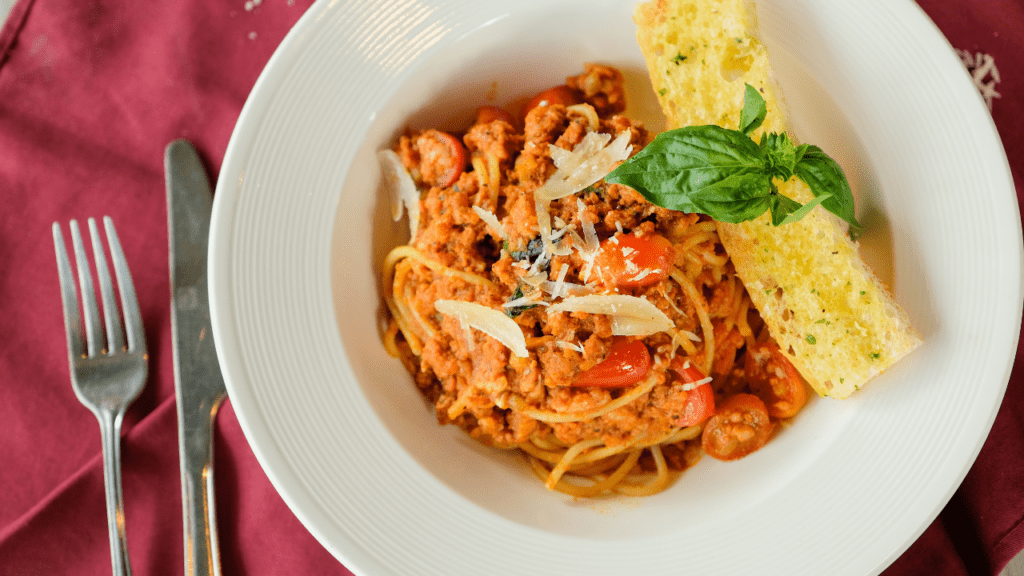
Garlic bread
Tomato bruschetta
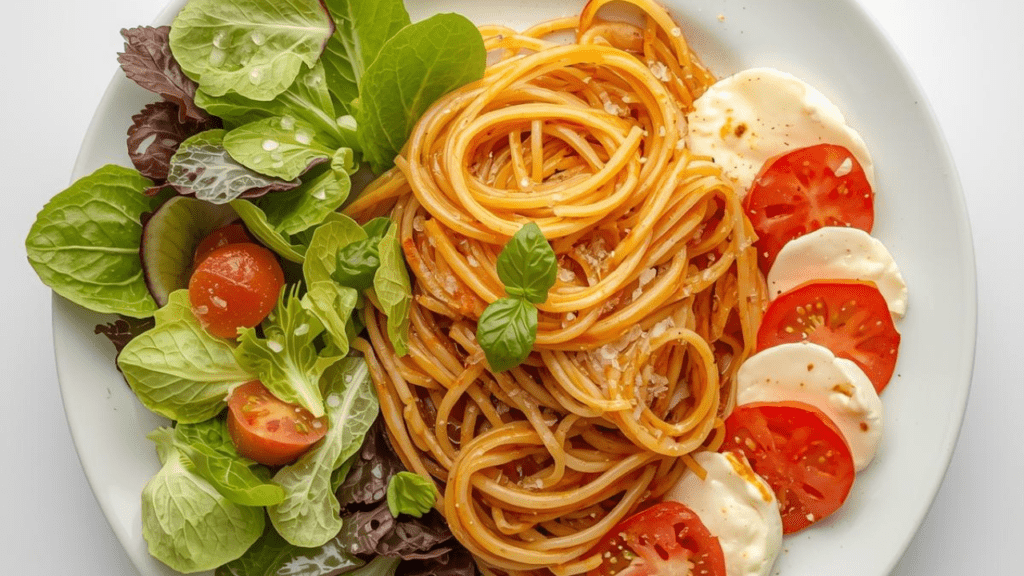
A fresh Caesar or Caprese salad

Red wines like Chianti or Montepulciano
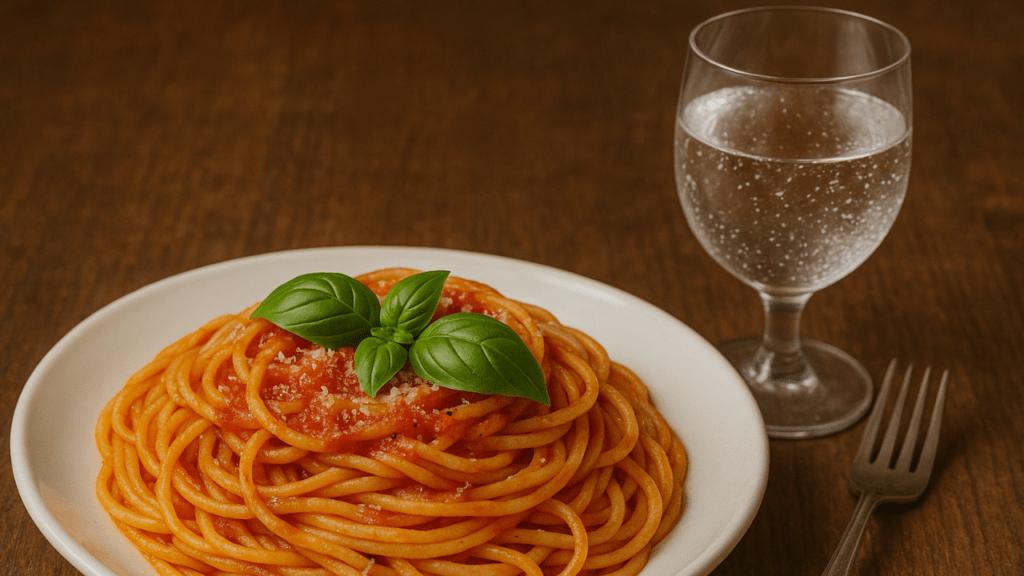
Sparkling water with lemon
The Cultural Significance of Italian Spaghetti
Italian meals are not hurried affairs. Spaghetti symbolizes:
- Family gatherings
- Togetherness
- Sunday traditions
- The art of slow cooking
- Respect for ingredients
Across Italy, pasta-making is considered a craft, and many families still make spaghetti by hand for festivals, weddings, and holidays.
Italian spaghetti is more than a recipe — it’s a timeless dish steeped in culture, love, and tradition. Whether you’re a beginner or a passionate home cook, mastering an authentic spaghetti dish brings you closer to Italian culinary heritage.
With its simple ingredients, aromatic flavors, and heartwarming history, spaghetti will always remain a comforting classic.
Frequently Asked Questions (FAQ) About Italian Spaghetti
1. What is Italian spaghetti made of?
Authentic italian spaghetti is made from durum wheat semolina and water. This gives it a firm, slightly chewy texture that holds sauces beautifully.
2. What does “al dente” mean in Italian cooking?
Al dente means “to the tooth” — pasta that is firm when bitten. Italians prefer spaghetti al dente because it tastes better and is healthier for digestion.
3. Can I use any tomatoes for authentic Italian spaghetti sauce?
Yes, but Italians prefer:
- San Marzano tomatoes (best flavor)
- Roma tomatoes
- Or high-quality canned Italian tomatoes
They provide natural sweetness, low acidity, and the perfect texture.
4. Why do Italians save pasta water while cooking?
Starchy pasta water helps:
- Thicken the sauce
- Bind the spaghetti and sauce together
- Add a glossy, restaurant-style finish
It’s a secret behind truly authentic italian spaghetti.
5. Is it necessary to add oil to boiling pasta water?
No. Italians never add oil to the water because it:
- Prevents sauce from sticking to spaghetti
- Makes the pasta slippery
Salt is the only essential addition.
6. Can Italian spaghetti be gluten-free?
Yes! Many brands offer gluten-free spaghetti made from:
- Rice flour
- Corn flour
- Quinoa
However, traditional Italian spaghetti is made from durum wheat.
7. What is the most traditional Italian spaghetti dish?
Some of the most iconic traditional recipes include:
- Spaghetti al Pomodoro
- Spaghetti Aglio e Olio
- Spaghetti Carbonara
- Spaghetti alle Vongole
Each region of Italy has its own style.
8. Why is my spaghetti sticking together?
Common reasons:
- Not enough water in the pot
- Not stirring during the first minute
- Letting it sit after draining
Toss it with sauce immediately after cooking.
9. Can I add ketchup to spaghetti sauce?
Not in authentic Italian cooking. Ketchup adds artificial sweetness and alters the flavor. Use tomatoes, garlic, basil, and olive oil for real Italian taste.
10. What cheese goes best with Italian spaghetti?
The most recommended cheeses are:
- Parmesan (Parmigiano-Reggiano)
- Pecorino Romano
Avoid processed cheese, as it changes the flavor of classic dishes.
11. How long does cooked spaghetti last?
Cooked spaghetti lasts:
- Up to 2 days in the refrigerator
- Best reheated by tossing in a hot pan with sauce or olive oil
12. What sides go well with Italian spaghetti?
Popular pairings include:
- Garlic bread
- Caprese salad
- Caesar salad
- Roasted vegetables
- Sparkling water or red wine
13. Can I make Italian spaghetti without garlic?
Yes. Garlic adds classic fragrance, but you can skip it if you have allergies or prefer milder flavors. Italian cooking emphasizes adjusting recipes to personal and regional taste.
14. Why does my sauce taste too acidic?
To fix acidity:
- Add a pinch of sugar
- Add butter for richness
- Use high-quality tomatoes
- Simmer longer to develop sweetness
15. What is the biggest mistake people make while cooking Italian spaghetti?
The most common mistakes are:
- Overcooking the pasta
- Not salting the boiling water
- Rinsing the pasta after draining
- Breaking the spaghetti before boiling
- Using low-quality tomato sauce