
Khaman dhokla is more than just a snack — it’s a piece of Gujarati culture, a dish that balances simplicity with irresistible flavor. Soft, fluffy, tangy, sweet and perfectly spiced, khaman dhokla has travelled from Gujarati homes to street stalls and global kitchens. But what’s the story behind this iconic dish, and how can you make it authentically at home? Let’s dive in!Home
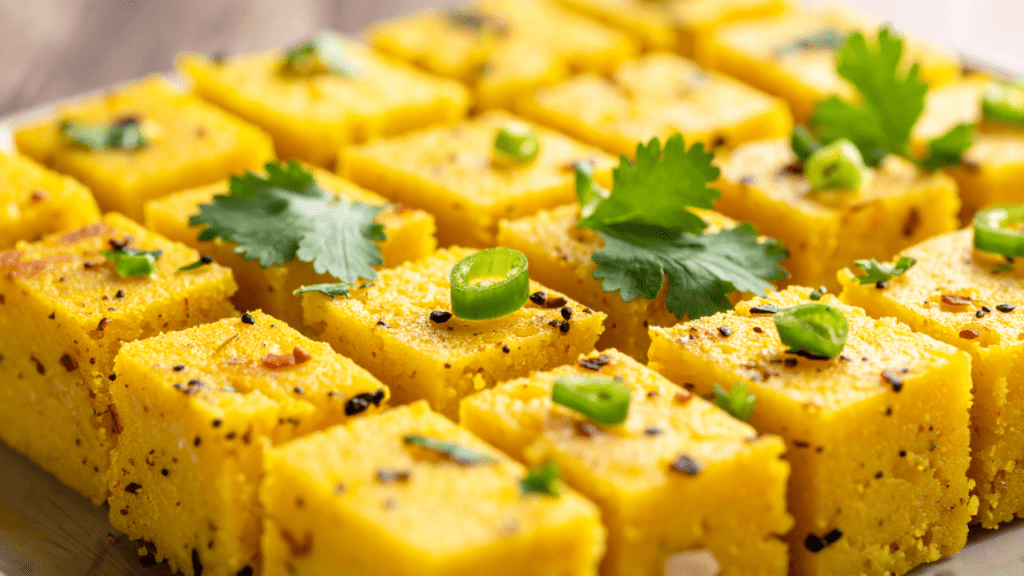
Ingredients for Soft & Spongy Khaman Dhokla
For the batter
- 1 cup besan (gram flour)
- 1 tbsp semolina (optional but adds texture)
- 1 tbsp lemon juice
- 1 tbsp sugar
- ½ tsp turmeric
- 1 tsp ginger-green chilli paste
- Salt to taste
- 1 cup water (adjust for smooth batter)
- 1 sachet Eno fruit salt (or ½ tsp baking soda)
For tempering
- 2 tbsp oil
- 1 tsp mustard seeds
- 1 tsp sesame seeds
- 2 green chillies (slit)
- 8–10 curry leaves
- 1 cup water
- 2 tsp sugar
- ½ tsp salt
- 1 tbsp lemon juice
Garnish
- Chopped coriander
- Grated coconut (optional)
Step-by-Step Process to Make Khaman Dhokla
1. Prepare the Batter
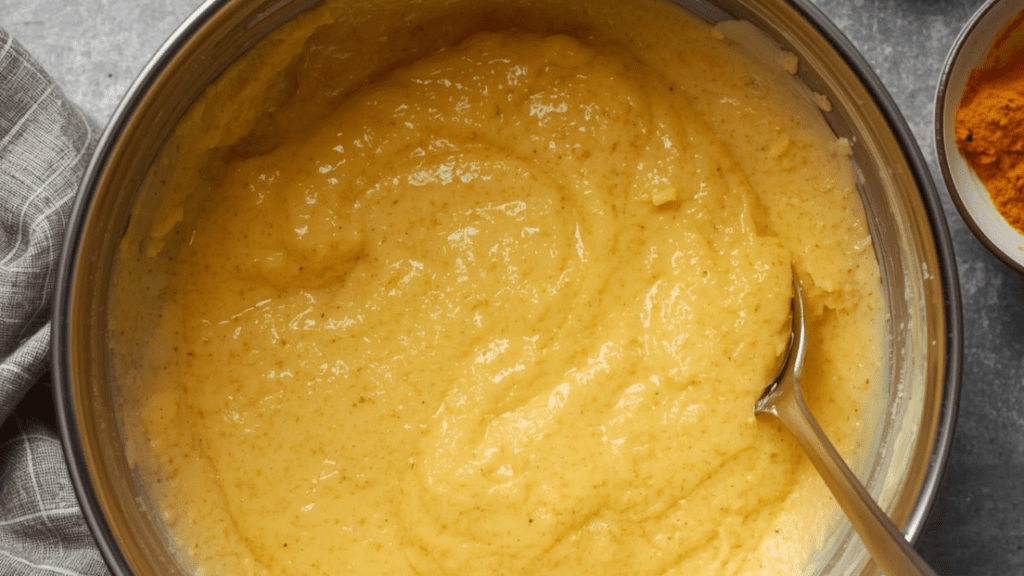
- In a bowl, mix besan, semolina, turmeric, sugar, salt, and ginger-chilli paste.
- Add lemon juice and water gradually to form a smooth, lump-free batter.
- Let it rest for 10–15 minutes.
2. Activate the Batter
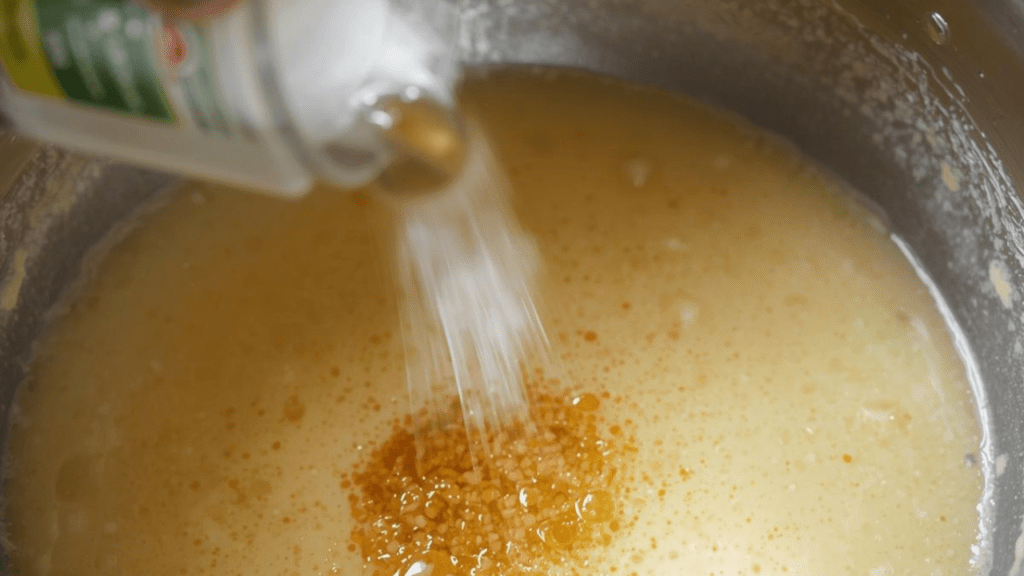
- Just before steaming, add Eno fruit salt and mix gently.
- The batter will become light and frothy — this is what creates the spongy texture.
3. Steam the Dhokla
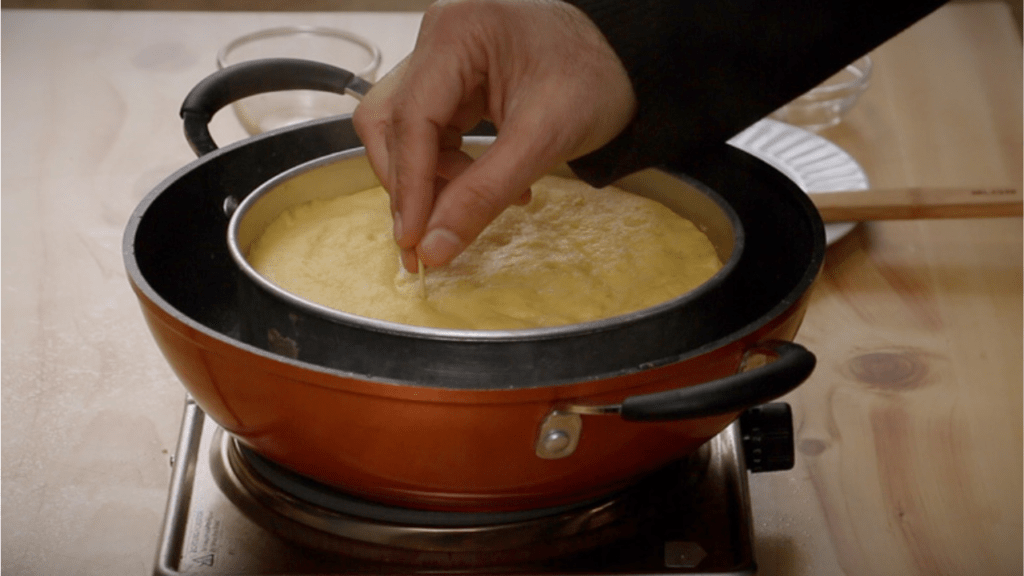
- Grease a flat plate or thali.
- Pour the batter and steam for 12–15 minutes on medium flame.
- Insert a toothpick — if it comes out clean, your dhokla is perfectly cooked.
- Let it cool slightly before cutting into squares.
4. Prepare the Tempering
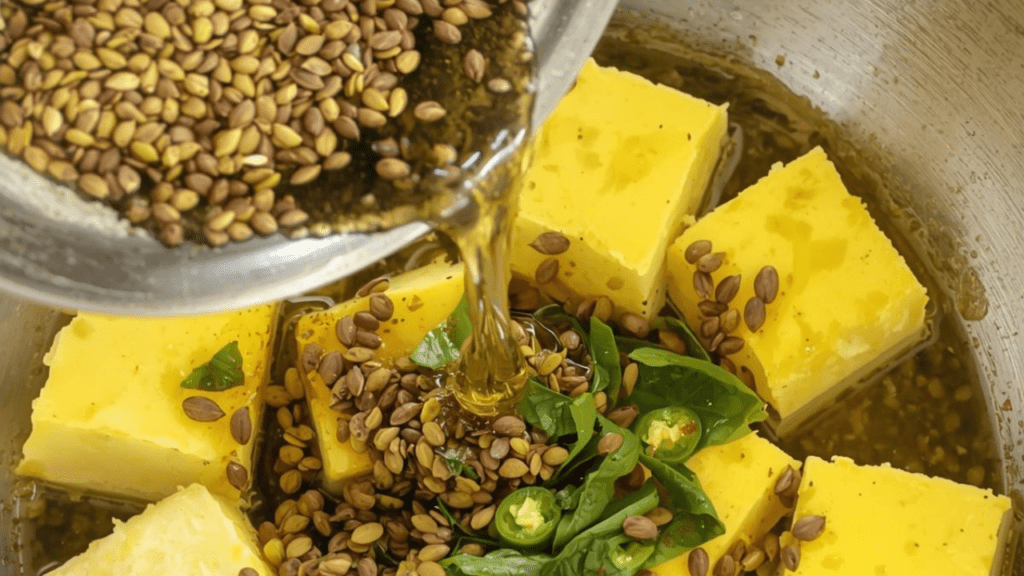
- Heat oil and add mustard seeds, sesame seeds, curry leaves, and green chillies.
- Add water, sugar, and lemon juice — let it boil for a minute.
- Pour this aromatic tempering evenly over the dhokla pieces.
5. Garnish & Serve
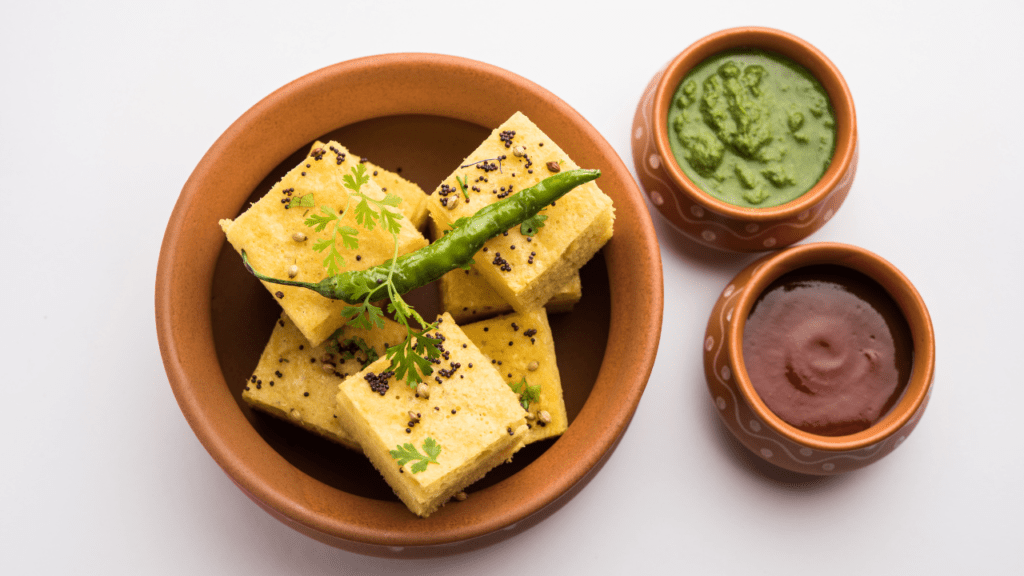
- Garnish with coriander and coconut.
- Serve warm with green chutney or sweet chutney.
Interesting Facts About Khaman Dhokla
1. Khaman vs. Dhokla — Not the Same!
Many people think khaman and dhokla are the same, but they are quite different.
- Khaman → Made from besan, bright yellow, soft, and fluffy.
- Dhokla → Made from fermented rice & urad dal batter, white and mildly tangy.
2. It’s a High-Protein Snack
Thanks to besan, khaman dhokla is rich in protein and gluten-free — a great option for healthy snacking.
3. It Was Originally a Royal Dish
Historical food records suggest variations of dhokla were served in royal Gujarati kitchens as early as the 16th century.
4. The Secret Behind Its Softness
The chemical reaction between Eno (or baking soda) and lemon makes the batter rise instantly — giving khaman dhokla that famous spongy texture.
5. It’s One of India’s Most Popular Street Foods
From Ahmedabad’s Manek Chowk to Mumbai’s snack shops, khaman dhokla is a street-food superstar.
The Story Behind Khaman Dhokla
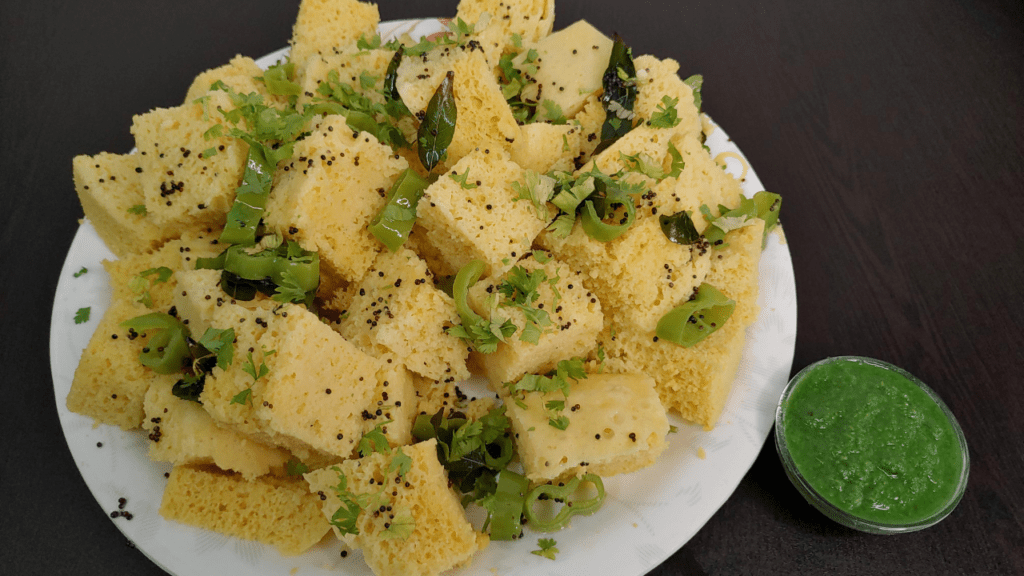
Like most traditional Indian dishes, khaman dhokla comes with an interesting evolution.
Originally, Gujarat was known for dishes made from fermented rice and lentils — including the traditional white dhokla (also called idada). During times of scarcity and shifting food habits, people began experimenting with gram flour (besan), which was easily available, affordable, and rich in protein.
This experiment gave birth to khaman, a softer, brighter, and quicker version of dhokla. Over time, as families migrated and street vendors popularized it, khaman became globally famous. Today, it is a favourite snack served at festivals, breakfast tables, teatime, and celebrations across India.google.com
Frequently Asked Questions (FAQ) About Khaman Dhokla
1. What is khaman dhokla?
Khaman dhokla is a soft, fluffy Gujarati snack made from gram flour (besan). It is steamed, mildly sweet, tangy, and topped with a flavorful mustard-seed tempering.
2. How is khaman different from dhokla?
Khaman is made from besan, while traditional dhokla is made from fermented rice and lentil batter. Khaman is bright yellow and spongy; dhokla is pale and slightly sour.
3. Why does my khaman dhokla become hard?
Hard dhokla usually means:
- The Eno was old or expired
- Overmixing the batter after adding Eno
- Steaming for too long or on high flame
Always add Eno just before steaming and mix gently.
4. Can I make khaman dhokla without Eno?
Yes! You can replace Eno with:
- ½ tsp baking soda + 1 tsp lemon juice
This gives a similar fluffiness, though Eno works best.
5. How long does khaman dhokla stay fresh?
Khaman dhokla stays fresh for 8–10 hours at room temperature. For longer storage, refrigerate and steam for 2 minutes before serving.
6. Can khaman dhokla be made without a steamer?
Absolutely. You can steam dhokla in:
- A pressure cooker (without whistle)
- An idli stand
- A kadhai with a trivet
Just ensure the plate doesn’t touch the water.
7. Why does my dhokla taste bitter?
Bitterness may come from:
- Too much baking soda
- Old or stale besan
Use fresh ingredients and correct proportions.
8. Is khaman dhokla healthy?
Yes! It’s steamed, low in oil, protein-rich, and gluten-free. It’s a great breakfast or snack option.
9. Can I add vegetables to khaman dhokla?
Yes! Finely grated carrots, spinach puree, or beetroot can be added for nutrition and natural color.
10. Which chutney goes best with khaman dhokla?
Traditional green chutney made with coriander, mint, lemon, ginger, and chillies pairs perfectly with khaman dhokla. Sweet tamarind chutney is also commonly served.