
Japanese Food: Where tradition meets technique, and every dish carries centuries of culture.
Introduction: Japan’s Food Culture Is a Masterpiece of Precision & Philosophy
Japanese cuisine isn’t just about taste — it’s an artistic expression.
Every dish is rooted in balance, respect for ingredients, and centuries-old culinary philosophy. From sushi’s delicate form to ramen’s comforting depth, Japanese cooking blends flavour, tradition, and mindfulness in a way no other cuisine does.
At Food Affair Diaries, we believe food becomes more meaningful when you understand the stories behind it.
Today, let’s dive into the legendary recipes of Japan and discover why these dishes have earned global adoration.
1. Sushi – The Ancient Art That Started as a Food Preservation Technique
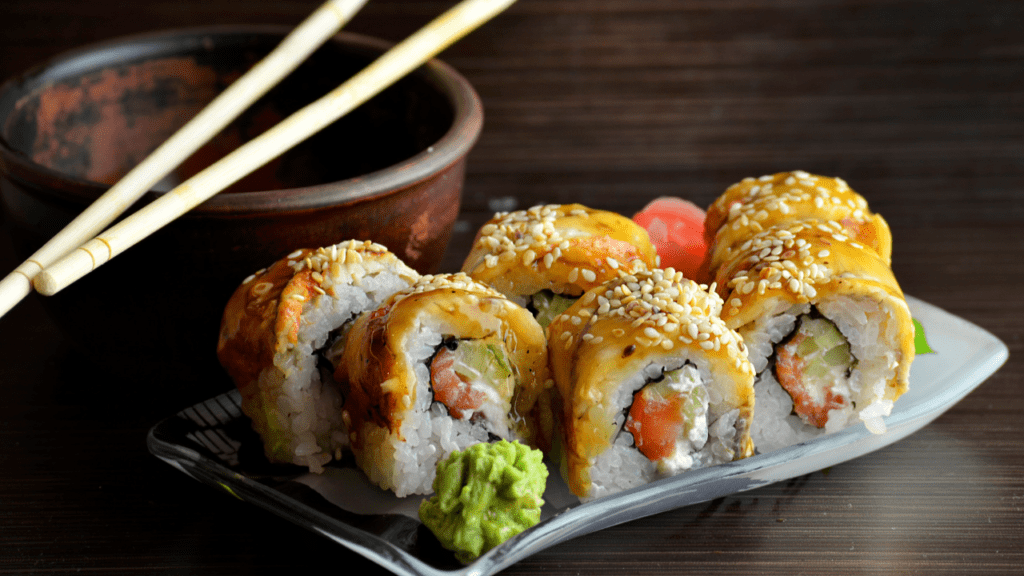
Sushi is arguably Japan’s greatest culinary ambassador. But its origins are far humbler than the elegant dish we recognize today.
The Story Behind Sushi
Sushi began nearly 2,000 years ago as narezushi, a method to preserve fish by fermenting it with rice. Originally, the rice wasn’t eaten — only the fish. Over time, people discovered the rice was tasty too, and began eating both together.
Real evolution came in the 19th century, when Tokyo chefs created nigiri sushi — fresh fish placed over vinegared rice. This eliminated long fermentation times, transforming sushi into a quick, delicious meal.
Today, sushi represents simplicity, craftsmanship, and purity — hallmarks of Japanese culture.
Why Sushi Stands Out
- Minimal ingredients, maximum flavour
- Beautiful presentation
- Celebrates the natural taste of seafood
Japanese Sushi Recipe (Classic Veg & California-Style Rolls)
Sushi Rice (Most Important Part)
Ingredients
- Japanese short-grain rice – 2 cups
- Water – for washing & cooking
- Rice vinegar – 3 tbsp
- Sugar – 1½ tbsp
- Salt – 1 tsp
Method
- Wash rice 4–5 times until water runs clear.
- Cook rice with water (1:1.2 ratio) until soft.
- Heat vinegar, sugar, and salt until dissolved (do not boil).
- Gently fold mixture into hot rice.
- Let rice cool to room temperature (do not refrigerate).
Sushi Roll (Maki Sushi) Recipe
Ingredients
- Nori sheets – 4
- Prepared sushi rice – 2 cups
- Cucumber – thin strips
- Avocado – thin slices
- Carrot – julienned
- Optional: imitation crab / tofu / tempura veggies
For Serving
- Soy sauce
- Wasabi
- Pickled ginger
How to Make Sushi Rolls
- Place a bamboo mat on a flat surface.
- Lay one nori sheet (shiny side down).
- Spread a thin layer of sushi rice evenly, leaving 1 inch at the top.
- Arrange vegetables (and filling) in a line near the bottom.
- Roll tightly using the mat, pressing gently.
- Seal edge with a little water.
- Slice into 6–8 pieces using a sharp knife.
California Roll (Inside-Out Style – Optional)
Extra Step
- After spreading rice, flip nori so rice faces down
- Add filling on nori side
- Roll and coat outside with sesame seeds
2. Ramen – Japan’s Soul Food With Chinese Roots
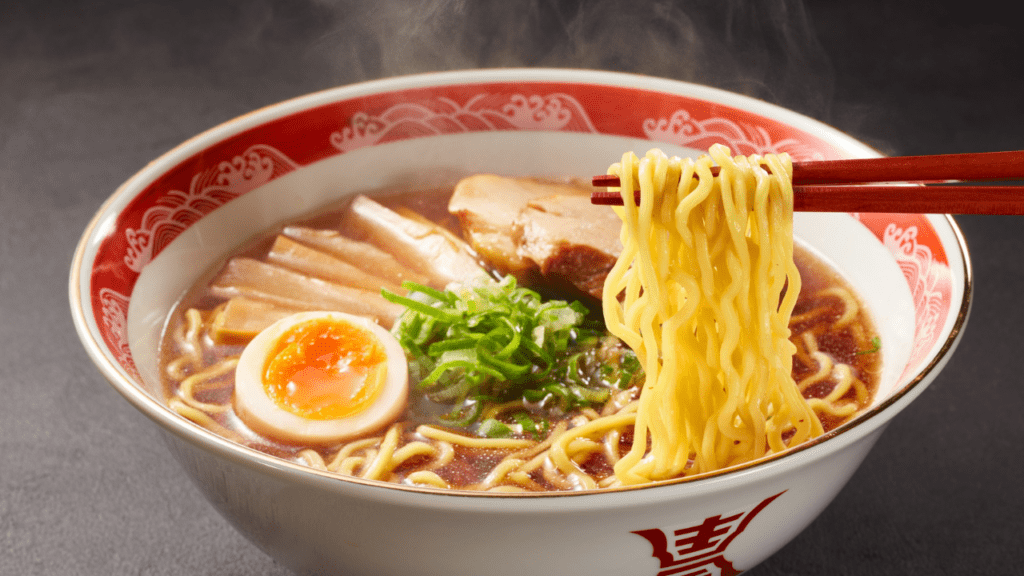
Ramen is comfort in a bowl — warm broth, springy noodles, and toppings that feel like a hug.
But few know it was inspired by China.
The Story Behind Ramen (one of the known Japanese Food)
In the late 1800s, Chinese traders introduced wheat noodles to Japan. Locals adapted them into a flavour-rich broth culture, influenced by local regions and ingredients. After World War II, affordable wheat imports made ramen popular among workers.
By the 1950s, Japan saw the rise of ramen shops everywhere — each city forming its own style:
- Tonkotsu Ramen (Fukuoka): Rich, creamy pork broth
- Shoyu Ramen (Tokyo): Clear soy-sauce-based broth
- Miso Ramen (Hokkaido): Hearty, warming soup perfect for cold winters
Today, ramen has become a cult food worldwide.
Why Ramen Stands Out
- Endless regional varieties
- Rich, comforting flavour depth
- Customizable for every tastegoogle.com
Ramen Recipe (Simple Homemade Style)
Ramen Broth (Basic & Flavorful)
Ingredients
- Water or vegetable/chicken stock – 4 cups
- Garlic – 4 cloves (crushed)
- Ginger – 1 inch (sliced)
- Soy sauce – 2 tbsp
- Miso paste – 1 tbsp (optional but recommended)
- Sesame oil – 1 tsp
- Salt – to taste
Method
- Heat sesame oil in a pot.
- Add garlic and ginger; sauté until aromatic.
- Pour in stock/water and bring to a boil.
- Add soy sauce, miso paste, and salt.
- Simmer on low heat for 15–20 minutes.
Ramen Noodles
Ingredients
- Ramen noodles – 2 packs (fresh or dried)
Method
- Cook noodles separately according to package instructions.
- Drain and keep aside.
Toppings (Choose Any)
- Boiled egg (soft or hard)
- Mushrooms (shiitake or button)
- Sweet corn
- Spring onions (chopped)
- Spinach or bok choy
- Tofu / chicken / mushrooms (pan-fried)
How to Assemble Ramen
- Place cooked noodles in a deep bowl.
- Pour hot broth over noodles.
- Arrange toppings on top.
- Garnish with spring onions and sesame seeds.
- Serve hot.
3. Tempura – Japan’s Crunchy Delight Inspired by Portuguese Traders
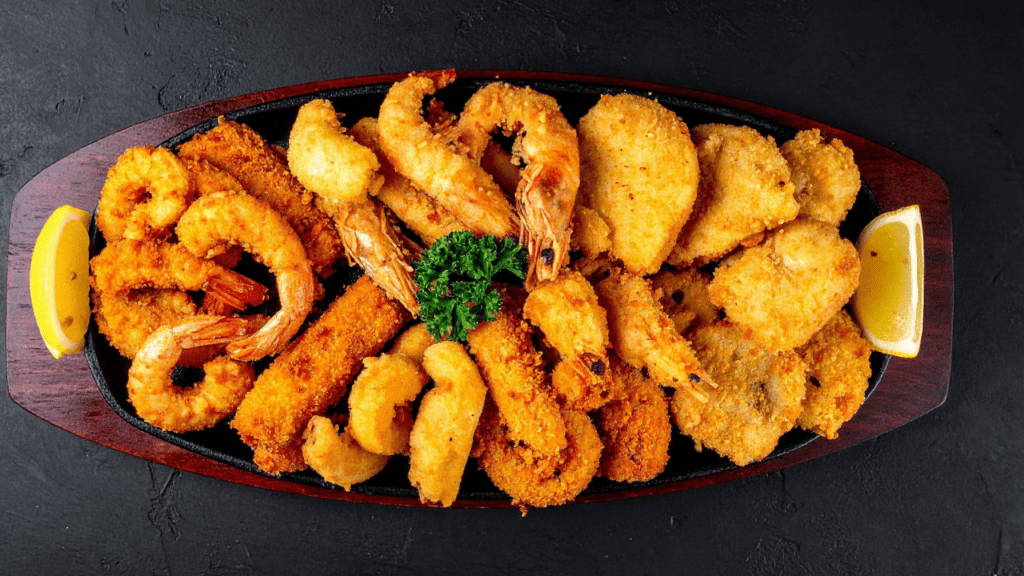
Surprisingly, tempura is not fully Japanese in origin.
The Story Behind Tempura
In the 16th century, Portuguese missionaries in Nagasaki introduced a cooking technique of frying seafood and vegetables during fasting periods (tempora). The Japanese adopted and transformed it into the lighter, crispier tempura we know today.
The Japanese version uses cold batter, precise frying, and minimal seasoning — creating a delicate, airy crunch that differs from Western fried food.
Why Tempura Stands Out
- Extremely light and crispy
- Showcases fresh vegetables and seafood
- A signature example of Japanese refinement
Tempura Recipe (Crispy & Light at Home)
Tempura Batter (Key to Crispiness)
Ingredients
- All-purpose flour – 1 cup
- Cornflour – 2 tbsp
- Ice-cold water – 1 cup
- Egg – 1 (optional, traditional style uses egg)
- Salt – a pinch
Important: Batter must be cold and slightly lumpy.
Vegetables & Seafood (Choose Any)
- Onion rings
- Carrot slices
- Sweet potato slices
- Bell peppers
- Broccoli
- Mushroom
- Shrimp (peeled & deveined)
How to Make Tempura
- Prepare Ingredients
Wash and pat dry vegetables and shrimp completely. - Make the Batter
In a bowl, lightly beat egg (if using).
Add ice-cold water and salt.
Gently mix in flour and cornflour.
Do not overmix—lumps are good. - Heat Oil
Heat oil to medium-high (170–180°C). - Fry Tempura
Dip vegetables/shrimp into batter.
Fry in hot oil until pale golden and crisp.
Remove quickly—do not over-fry. - Drain & Serve
Drain on a wire rack or paper towel.
Simple Tempura Dipping Sauce (Tentsuyu)
Ingredients
- Soy sauce – 2 tbsp
- Water – ½ cup
- Sugar – 1 tsp
- Grated radish (optional)
Method
- Heat all ingredients together and serve warm.
4. Onigiri – Japan’s Oldest Travel Snack
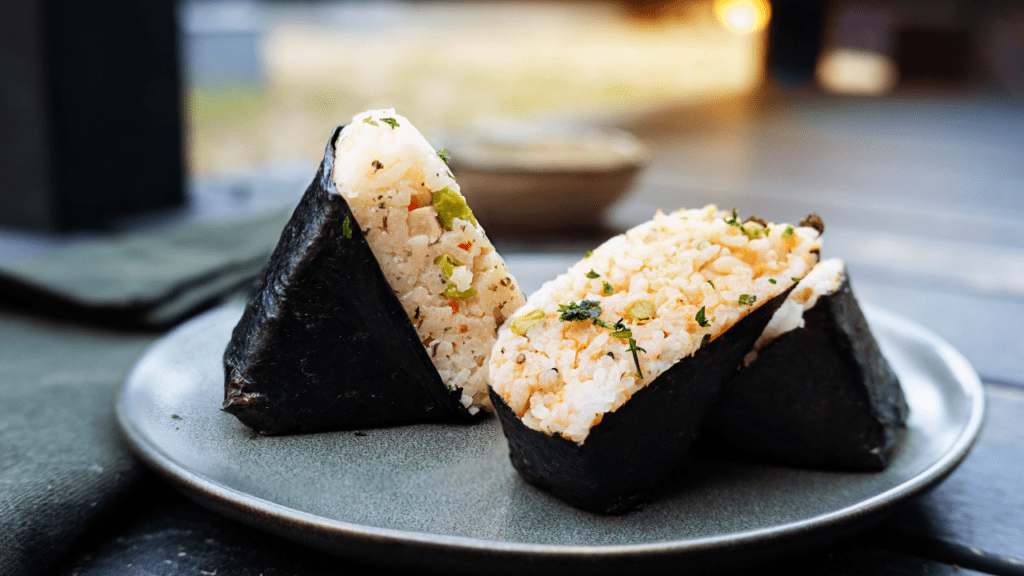
Onigiri is simple yet iconic — a rice ball wrapped in seaweed. But beneath its simplicity lies an ancient story of survival and convenience.
The Story Behind Onigiri
Onigiri dates back over 1,000 years. Samurai used to carry rice balls wrapped in bamboo leaves as portable energy during battles. Over time, onigiri evolved into a beloved comfort food — found in homes, bento boxes, and convenience stores nationwide.
Today, fillings like salted salmon, pickled plum (umeboshi), and tuna mayo keep this humble food relevant.
Why Onigiri Stands Out (simplest and homie Japanese food)
- Perfect handheld snack
- Long shelf life
- Light, filling, and versatile
Onigiri Recipe (Rice Balls – Easy & Authentic)
Onigiri Rice (Base)
Ingredients
- Japanese short-grain rice – 2 cups
- Water – for washing & cooking
- Salt – ½–¾ tsp (to taste)
Method
- Wash rice until water runs clear.
- Cook rice (slightly firm, not mushy).
- Let rice cool until warm (not hot).
- Sprinkle salt lightly and mix gently.
Popular Fillings (Choose Any)
- Umeboshi (pickled plum) – traditional
- Tuna mayo (tuna + Japanese mayo)
- Teriyaki chicken (finely chopped)
- Spicy tofu (pan-fried)
- Salmon flakes (grilled or canned)
How to Shape Onigiri
- Wet your hands lightly and rub a pinch of salt on palms.
- Take a handful of warm rice.
- Make a small dent and add filling in the center.
- Cover with rice and gently shape into a triangle or round.
- Wrap with a strip of nori just before eating (keeps it crisp).
Optional Variations
- Yaki-onigiri: Pan-grill shaped rice balls with a little oil until golden; brush with soy sauce.
- Furikake onigiri: Mix furikake seasoning into rice for extra flavor.
5. Takoyaki – Osaka’s Irresistible Street Food Favour
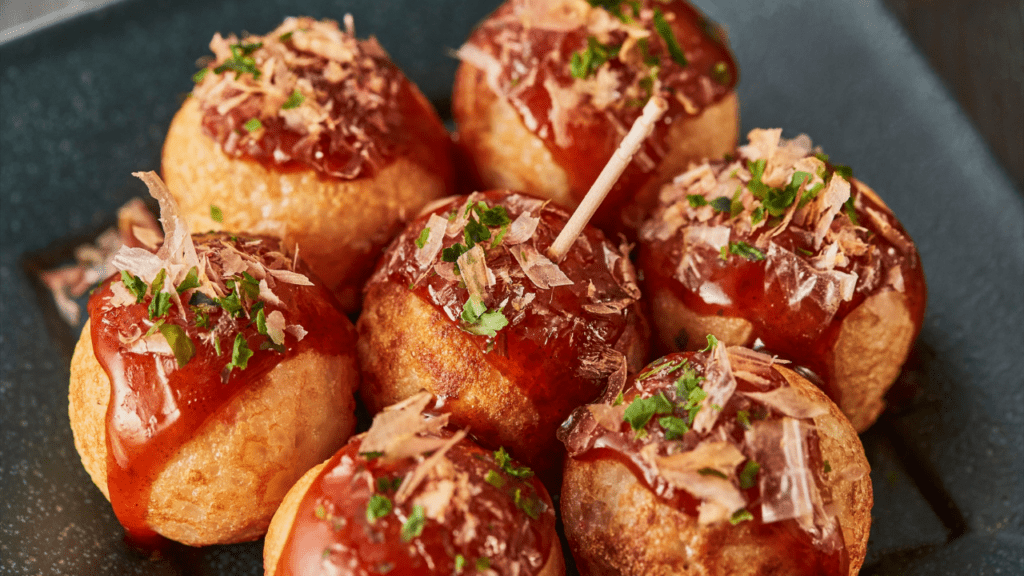
Takoyaki — crispy balls filled with octopus — are one of Japan’s most loved street snacks.
The Story Behind Takoyaki
Takoyaki was invented in Osaka in the 1930s by a street vendor named Tomekichi Endo. Inspired by a similar dish called akashi-yaki, he created the now-famous batter balls with diced octopus, ginger, and green onion, topped with savoury sauce and bonito flakes.
Today, takoyaki is the heart of Osaka street culture.
Why Takoyaki Stands Out
- Crispy outside, soft inside
- Fun, interactive food
- A must-try at Japanese street festivals
Takoyaki Recipe (Crispy Outside, Soft Inside)
Takoyaki Batter
Ingredients
- All-purpose flour – 1 cup
- Cornflour – 2 tbsp
- Baking powder – ½ tsp
- Egg – 1
- Dashi stock or water – 2½ cups
- Soy sauce – 1 tsp
- Salt – a pinch
Note: Batter should be thin and pourable.
Fillings (Choose)
- Boiled octopus – small cubes (traditional)
- Spring onions – finely chopped
- Ginger pickles (beni shoga) – chopped
- Tempura scraps (tenkasu) – optional but recommended
Vegetarian options: mushroom, corn, paneer, or tofu cubes.
How to Make Takoyaki
- Prepare Batter
Whisk flour, cornflour, baking powder, egg, stock/water, soy sauce, and salt until smooth. - Heat the Pan
Heat a takoyaki pan on medium heat and generously oil each mold. - Pour & Fill
Fill molds with batter to the top.
Add octopus/veg, spring onions, ginger, and tempura scraps. - Turn the Balls
When edges set, use skewers to rotate each ball 90°.
Keep turning until round and golden (6–8 minutes). - Cook Through
Cook until crisp outside and soft inside.
Toppings (Classic Style)
- Takoyaki sauce (or thick soy + ketchup mix)
- Japanese mayonnaise
- Bonito flakes (katsuobushi)
- Chopped spring onions
6. Yakitori – Japan’s Charcoal-Grilled Culinary Art
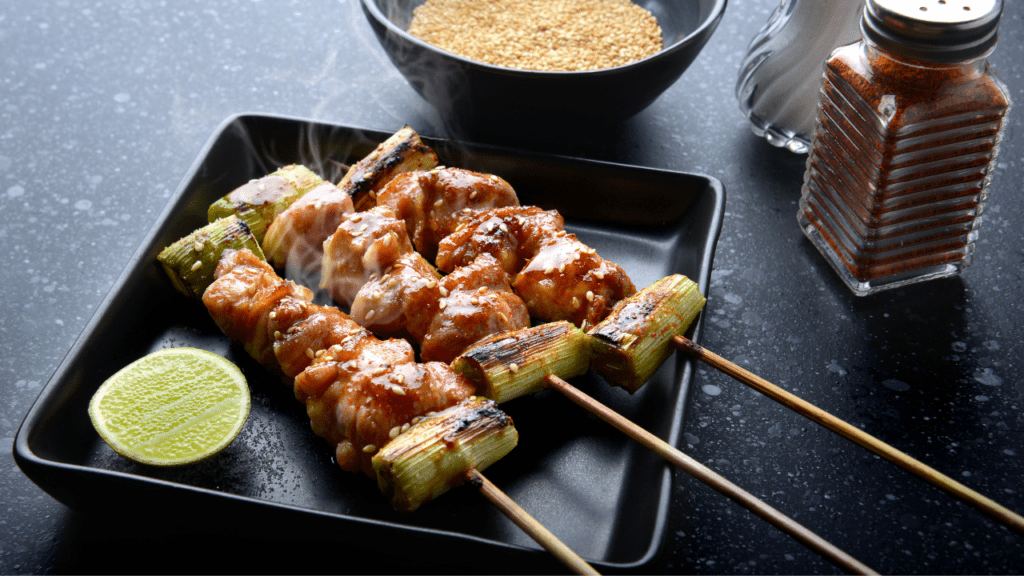
Yakitori seems simple: skewered, grilled chicken seasoned with salt or sweet soy glaze. But its cultural significance runs deep.
The Story Behind Yakitori
Yakitori became widely popular during the Meiji era when eating chicken became socially acceptable. Workers and travellers gathered around tiny grill stands for cheap, flavourful skewers.
Today, yakitori bars (called izakayas) are central to Japanese nightlife culture.
Why Yakitori Stands Out
- Smoky flavour from charcoal grilling
- Bite-sized convenience
- Perfect with sauces and spices
Yakitori Recipe (Grilled Chicken Skewers – Easy at Home)
Yakitori Tare Sauce (Authentic Glaze)
Ingredients
- Soy sauce – ½ cup
- Mirin – ½ cup
- Sugar – 2 tbsp
- Garlic – 2 cloves (optional)
- Ginger – 1-inch piece (optional)
Method
- Combine all ingredients in a saucepan.
- Simmer on low heat for 10–15 minutes until slightly thick.
- Strain and keep aside.
Chicken Skewers
Ingredients
- Boneless chicken thighs – 500 g (preferred for juiciness)
- Spring onions – cut into 1-inch pieces
- Salt – to taste
- Oil – for greasing
- Bamboo skewers – soaked in water 30 minutes
How to Make Yakitori
- Prepare Skewers
Cut chicken into bite-sized pieces.
Thread chicken and spring onions alternately onto skewers. - Season & Grill
Lightly season with salt.
Grill on a pan, grill, or oven at medium heat. - Brush with Tare
When chicken is almost cooked, brush generously with tare sauce.
Turn and grill until lightly charred and glossy. - Final Glaze
Brush once more with tare and grill for 1–2 minutes.
Cooking Options
- Pan-grill: Non-stick pan, medium heat
- Oven: 200°C for 15–18 minutes (broil last 2 minutes)
- Charcoal grill: Best smoky flavor (traditional style)
How to Serve
- Sprinkle sesame seeds
- Serve hot with lemon wedges
- Pair with rice or enjoy as-is
10 Frequently Asked Questions
1. What is japanese food known for?
Japanese food is known for its fresh ingredients, simple preparation, balanced flavors, and beautiful presentation.
2. Why is japanese food considered healthy?
Japanese food is considered healthy because it uses steamed or grilled cooking methods, fresh vegetables, seafood, and minimal oil.
3. What are the most popular japanese food dishes?
Sushi, ramen, tempura, onigiri, takoyaki, and yakitori are some of the most popular japanese food dishes.
4. Is japanese food always made with raw fish?
No, japanese food includes many cooked dishes such as ramen, tempura, yakitori, and rice-based meals.
5. Can japanese food be vegetarian?
Yes, japanese food can be vegetarian and includes dishes made with rice, tofu, vegetables, seaweed, and mushrooms.
6. Is japanese food spicy?
Traditional japanese food is usually mild, focusing more on umami flavors than heat.
7. What ingredients are commonly used in japanese food?
Common ingredients include rice, soy sauce, miso, tofu, seaweed, noodles, seafood, and seasonal vegetables.
8. Is japanese food suitable for beginners to cook at home?
Yes, many japanese food recipes like onigiri, ramen, and vegetable tempura are easy for beginners.
9. Why is presentation important in japanese food?
Presentation reflects Japanese culture, where food is appreciated visually as well as in taste.
10. How can I experience authentic japanese food at home?
You can experience authentic japanese food by using traditional ingredients, simple techniques, and following classic recipes.
Your Journey Into Japanese Cuisine (Japanese Food) Has Just Begun
If the stories above fascinated you, there’s so much more to explore.
Japanese food is a world of flavours waiting to be discovered — from sashimi craftsmanship to the art of matcha, from wagashi desserts to donburi rice bowls.
Here’s what you should read next on Food Affair Diaries:
The History of Sushi Etiquette
Regional Ramen Flavours Explained
Top 10 Iconic Japanese Street Foods
Beginner-Friendly Japanese Recipes for Home Cooking
Every click opens a new flavour story.
Every story brings you closer to mastering Japanese food.
Start exploring our Japanese Food Collection now — your next delicious discovery awaits.foodaffairdiaries.com