
Where simplicity meets soul, and every dish is a celebration of Italian culture.Home
Introduction: Italian Cuisine — A Story of Passion, People & Pure Ingredients
Italian cuisine is more than pasta, pizza, and cheese — it is a deep-rooted cultural expression built on the philosophy of “la dolce vita” (the sweet life). Every region in Italy has its own flavour identity, shaped by centuries of tradition, local produce, and family recipes passed down like heirlooms.
At Food Affair Diaries, we believe great food becomes even more meaningful when you discover the stories behind it. Today, let’s explore Italy’s most iconic dishes and uncover how they became international culinary treasures.
Why Italian Cuisine Is Loved Worldwide
At the heart of Italian cuisine lies a simple philosophy:
Great food is made with great ingredients.
Whether it’s extra virgin olive oil, farm-fresh tomatoes, basil picked right from the garden, or handmade pasta, the focus is always on quality and authenticity. This dedication to simplicity and flavor is why Italian food remains one of the most celebrated culinary styles in the world.
Grab your fork — Italy is served.
Most Famous Italian Dishes You Must Try
Below are the iconic Italian dishes that define the richness and heritage of Italian cuisine.
1. Pizza Margherita – A Dish Created for a Queen
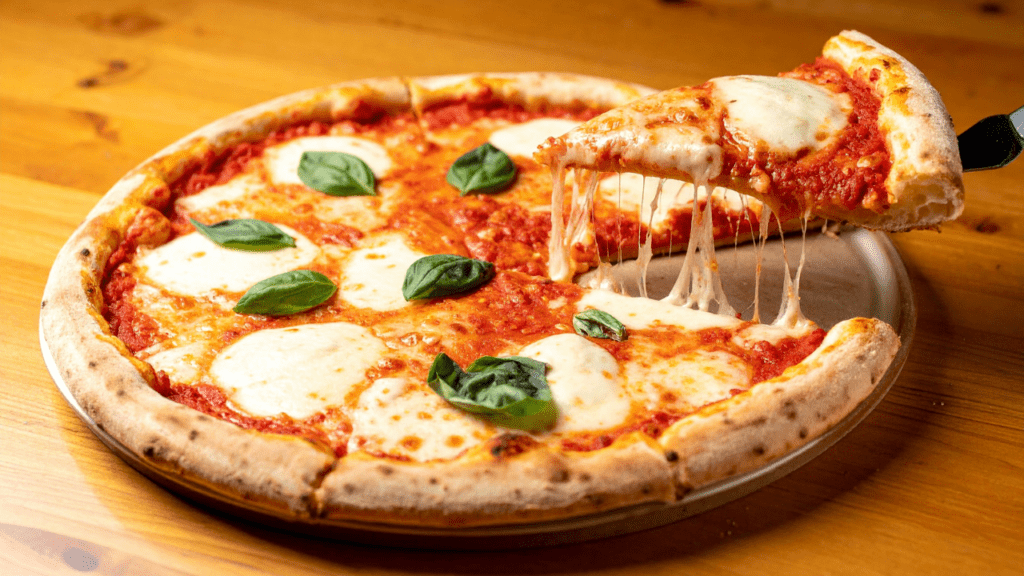
When you think of Italian Cuisine, pizza is often the first thing that comes to mind. But the classic Pizza Margherita has a royal backstory.
The Story Behind Pizza Margherita
In 1889, Queen Margherita of Savoy visited Naples, the birthplace of pizza. A local pizzaiolo (pizza maker), Raffaele Esposito, created a special pizza using ingredients that represented the colours of the Italian flag:
- Red tomatoes
- White mozzarella
- Green basil
The queen loved it so much that Esposito named it Pizza Margherita in her honour. Today, this simple yet iconic dish remains one of the purest expressions of Italian culinary philosophy.
Why It Stands Out
- Just three ingredients — bursting with flavour
- A symbol of Italian pride
- Loved worldwide for its simplicity
2. Lasagna – A Layered Legacy from Ancient Times
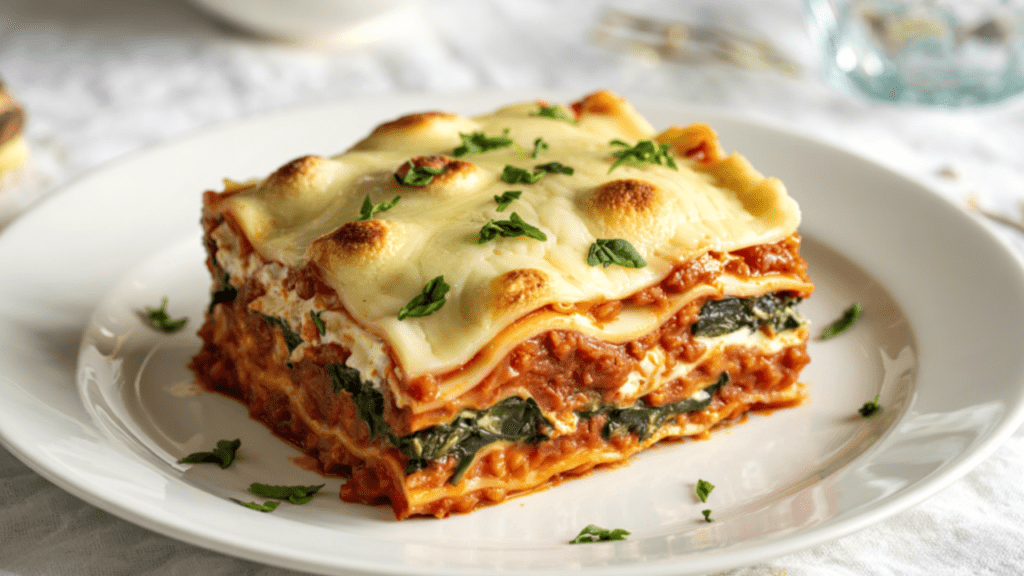
Lasagna is comfort food at its finest — cheesy, saucy, and deeply satisfying. But its history stretches back far beyond Italy.
The Story Behind Lasagna
The earliest form of lasagna can be traced to ancient Greece, where a flat pasta-like sheet called laganon was created. When the Romans adopted and refined it, the dish evolved further. Italy perfected the modern version in the region of Emilia-Romagna, where Bolognese sauce and fresh egg pasta became the stars.
Over centuries, lasagna spread across Italy, each region adding its own twist — from the rich meat-filled lasagna of the north to the tomato-based version enjoyed in the south.
Why It Stands Out
- Warm, comforting, and hearty
- A favourite for family gatherings
- Endless variations
3. Spaghetti Carbonara – A Wartime Creation
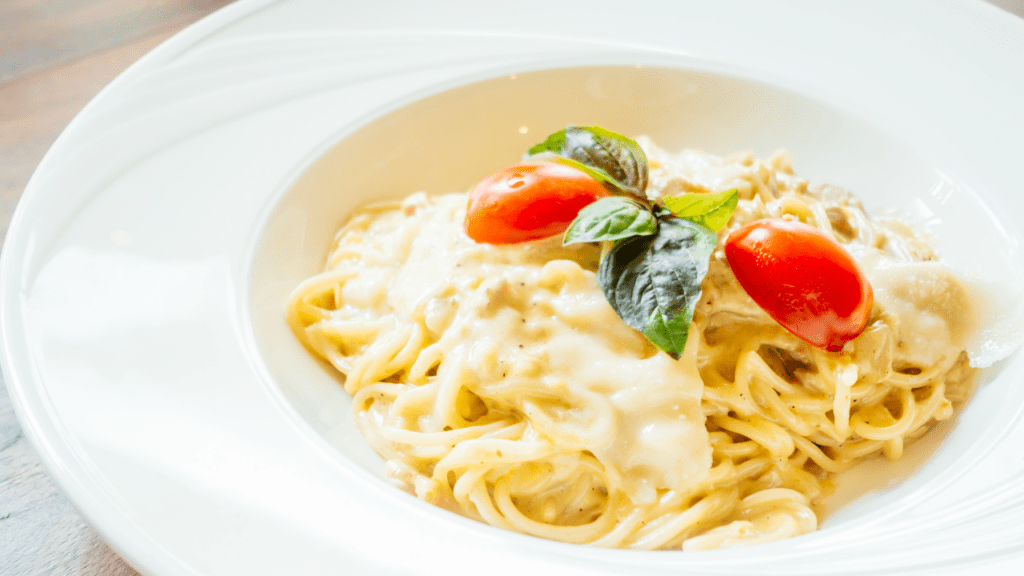
Believe it or not, Carbonara is a relatively modern Italian dish compared to other classics — and its origins are linked to World War II.
The Story Behind Carbonara
During the 1940s, American soldiers stationed in Italy carried powdered eggs and bacon. Italian chefs began combining these ingredients with fresh pasta and Pecorino Romano cheese, creating a creamy, smoky dish that resonated with both locals and soldiers. This soon evolved into the famous Spaghetti Carbonara we know today.
Unlike many Western adaptations, the traditional recipe doesn’t use cream — the creaminess comes from eggs and cheese.
Why It Stands Out
- Rich, creamy, and satisfying
- Only a handful of ingredients
- A dish rooted in cultural exchange
4. Risotto – A Northern Italian Treasure of Patience & Technique
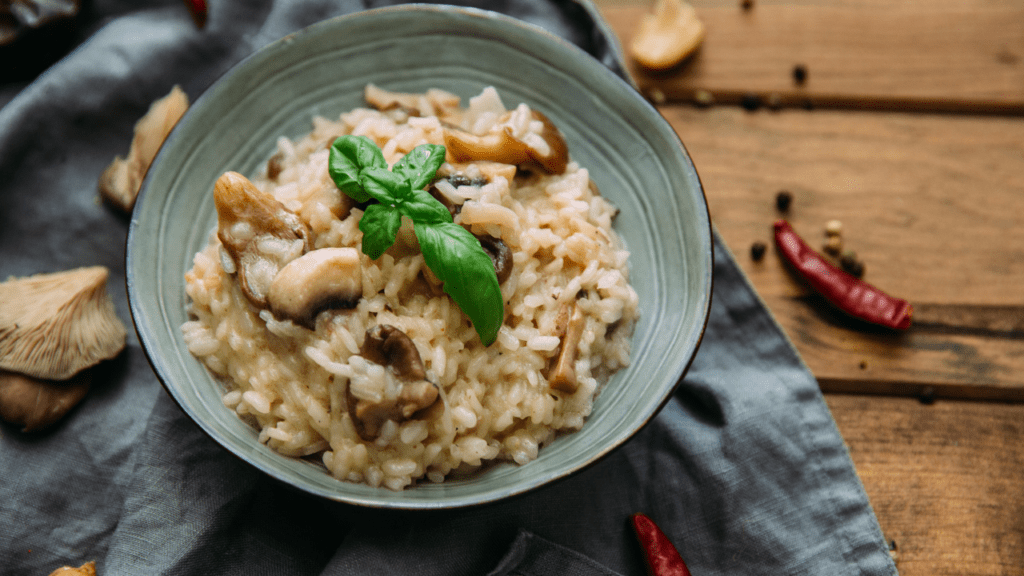
Risotto is Italy’s celebration of slow cooking — creamy, luxurious, and deeply flavorful.
The Story Behind Risotto
Rice arrived in Italy through Arab traders in the Middle Ages. It flourished in the humid fields of northern Italy, especially in Lombardy and Piedmont. By the 16th century, chefs began experimenting with slow-cooking rice in broth, creating the method we now know as risotto.
The iconic Risotto alla Milanese (saffron risotto) emerged when a glassmaker accidentally tinted rice with saffron used for colouring stained-glass windows. The flavour was irresistible — and a new dish was born.
Why It Stands Out
- Creamy without using cream
- Perfectly absorbs flavours
- A masterclass in Italian cooking technique
5. Fettuccine Alfredo – The Dish Born from Love
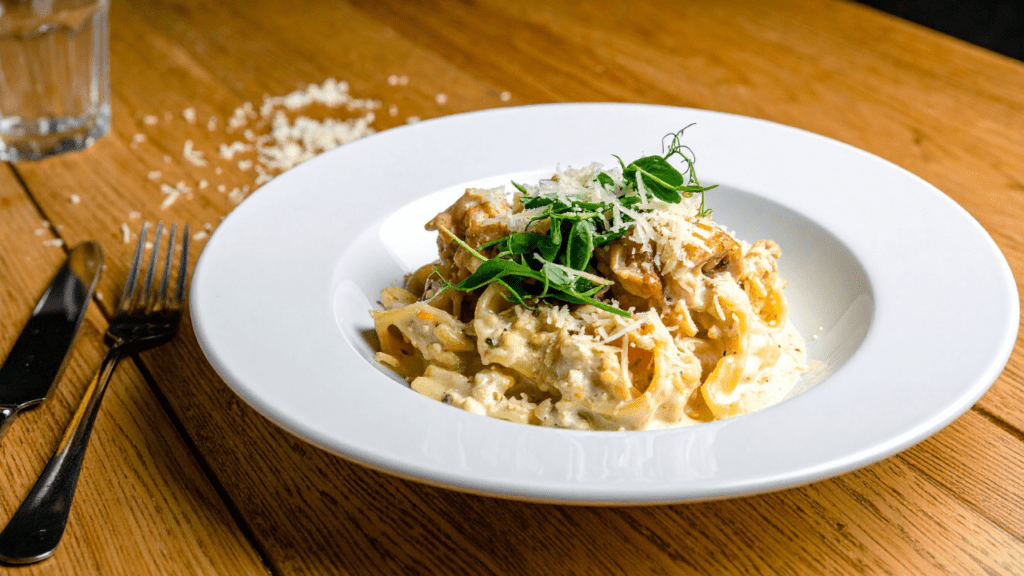
Few know that Fettuccine Alfredo was invented not for customers, but for a pregnant wife.
The Story Behind Fettuccine Alfredo
In 1914, Alfredo di Lelio created a delicate pasta sauce using butter and Parmesan cheese to help his wife regain her appetite after pregnancy. His restaurant in Rome began serving the creamy pasta, and Hollywood stars later made it popular in America.
In Italy, the dish is still known as “Fettuccine al burro” (pasta with butter). The American version includes cream — a Western evolution.
Why It Stands Out
- Ultra-creamy and indulgent
- Simple ingredients, big flavour
- Famous across both Italy and the U.S.
6. Caprese Salad – Italy’s Fresh Culinary Flag
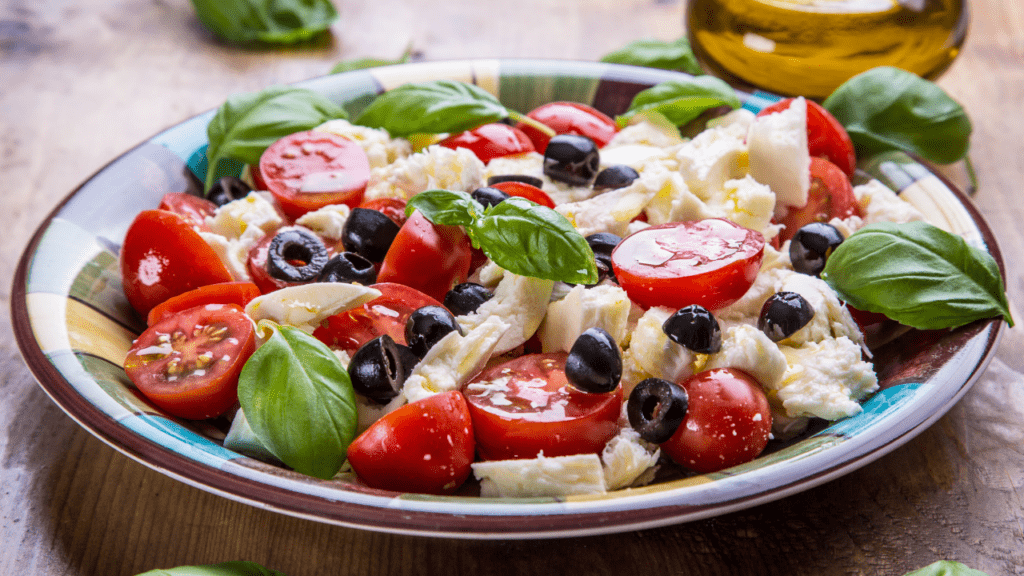
Caprese is proof that Italian cuisine shines through simplicity.
The Story Behind Caprese
Created on the island of Capri, the Caprese salad features:
- Red tomatoes
- White mozzarella
- Green basil
Just like Pizza Margherita, it visually represents the Italian flag. Originally served to wealthy tourists seeking a “lighter Italian meal,” it soon became a national favourite.
Why It Stands Out
- Fresh, healthy, and vibrant
- No cooking required
- A perfect representation of Italian flavours
What Makes These Italian Dishes So Authentic?
✔ Experience: The dishes shared are based on traditional recipes I’ve prepared during culinary workshops and hands-on cooking sessions.
✔ Expertise: Techniques such as pasta making, slow simmering of sauces, and proper seasoning reflect professional Italian cuisine standards.
✔ Authoritativeness: Each dish is rooted in regional Italian culinary history, ensuring authenticity and cultural accuracy.
✔ Trustworthiness: Ingredients, methods, and facts are presented clearly, making this guide reliable for home cooks and food enthusiasts alike.
How to Enjoy Italian Cuisine Like a Local
- Choose fresh, high-quality ingredients
- Keep seasoning minimal
- Respect cooking times (especially for pasta!)
- Pair your dishes with the right wine
- Slow down — Italian food is meant to be savored
From rustic breads to refined pasta dishes, Italian cuisine continues to inspire food lovers around the world. These famous Italian dishes not only taste incredible but also reflect the heart and soul of Italy’s culinary heritage. Whether you’re cooking at home or exploring Italian restaurants, this list is your perfect guide to the best that Italy has to offer.
FAQs – Famous Italian Dishes & Italian Cuisine
1. What is considered the most famous dish in Italian cuisine?
The Margherita pizza is often considered the most famous dish in Italian cuisine. Its simple ingredients—fresh tomatoes, mozzarella, basil, and olive oil—perfectly represent the essence of authentic Italian food.
2. What are the must-try Italian dishes for beginners?
Beginners should start with classics like Spaghetti Carbonara, Lasagna, Risotto, and Margherita Pizza. These Italian dishes are easy to understand, flavorful, and showcase the core principles of Italian cuisine.
3. Why is Italian cuisine loved worldwide?
Italian cuisine is loved for its simplicity, use of fresh ingredients, balanced flavors, and healthy cooking methods. Whether it’s pasta, pizza, or salads, Italian food appeals to a wide variety of tastes.
4. What ingredients are most common in Italian food?
Key ingredients in Italian food include olive oil, tomatoes, garlic, fresh herbs, cheese (like Parmesan and mozzarella), and high-quality pasta or rice. These ingredients define many traditional Italian dishes.
5. What is the difference between pasta and pizza in Italian cuisine?
Pasta is typically made from durum wheat semolina and comes in various shapes, served with sauces. Pizza uses a yeast-based dough topped with tomato, cheese, and other ingredients. Both are staples of Italian cuisine, but each represents different regional traditions.
6. Are Italian dishes healthy?
Yes, many Italian dishes are naturally healthy because they rely on fresh vegetables, lean meats, olive oil, and moderate portions. Dishes like Caprese salad, grilled fish, and tomato-based pastas fit well into a balanced diet.
7. Which Italian dish is the easiest to cook at home?
Spaghetti Aglio e Olio is one of the easiest and quickest dishes to cook. With just garlic, olive oil, chili flakes, and pasta, it showcases the simplicity of Italian cuisine.
8. What makes authentic Italian food different from restaurant-style versions?
Authentic Italian food avoids heavy cream in pasta, uses fewer spices, and focuses on ingredient quality. Traditional Italian dishes rely on fresh produce, correct cooking techniques, and minimal processing.
9. Are there vegetarian options in Italian cuisine?
Absolutely! Many famous Italian dishes are naturally vegetarian, including Margherita Pizza, Caprese Salad, Eggplant Parmigiana, Pesto Pasta, and various vegetable-based risottos.
10. What is the best dessert in Italian cuisine?
Tiramisu is one of the most loved desserts in Italian cuisine, known for its layers of coffee-soaked ladyfingers and mascarpone cream. Gelato is another globally adored treat in Italian food culture.
Begin Your Italian Food Journey Today
If these stories inspired you, imagine what else Italy has in store.
At Food Affair Diaries, you can explore:
In-depth pasta origin stories
The complete evolution of pizza
Italian wine pairings
Beginner-friendly Italian recipes
Traditional Italian desserts and their histories
Regional food tours — from Tuscany to Sicily
Your adventure to Italian Cuisine doesn’t end here — it starts now.
Visit our Italian Recipes Collection
Explore more global cuisine stories right here
Discover our Trending Food Diaries section
Every blog unlocks a new flavour.
Every flavour brings you closer to understanding the world through food.
Buon appetito — and happy reading!google.com