
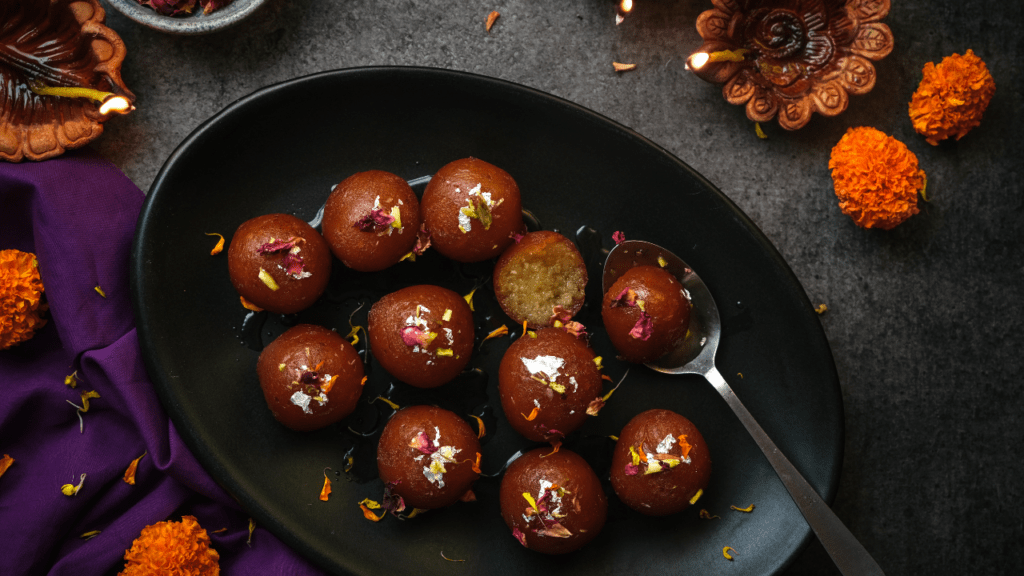
Few desserts capture the essence of Indian sweetness as beautifully as gulabjamun sweet. Whether served on festive occasions, weddings, celebrations, or as a warm comfort treat on a cold evening, this dessert has become an emotion for millions. Soft, spongy, syrup-soaked, melt-in-the-mouth—gulabjamun sweet represents indulgence in its purest form.Home
But have you ever wondered where this decadent dessert originated? What gives it its signature softness? And how can you make perfect gulab jamun at home every single time?
This long, detailed blog takes you deep into:
- The story behind gulab jamun
- Its cultural roots across India, Persia, and the Mughal era
- A step-by-step recipe with ingredients
- Expert cooking techniques
- Variations of gulab jamun
- Serving ideas
- And interesting facts you probably never knew
Let’s begin a delightful journey into the world of gulabjamun sweet, one of India’s most beloved culinary treasures.
The Sweet Story Behind Gulabjamun Sweet
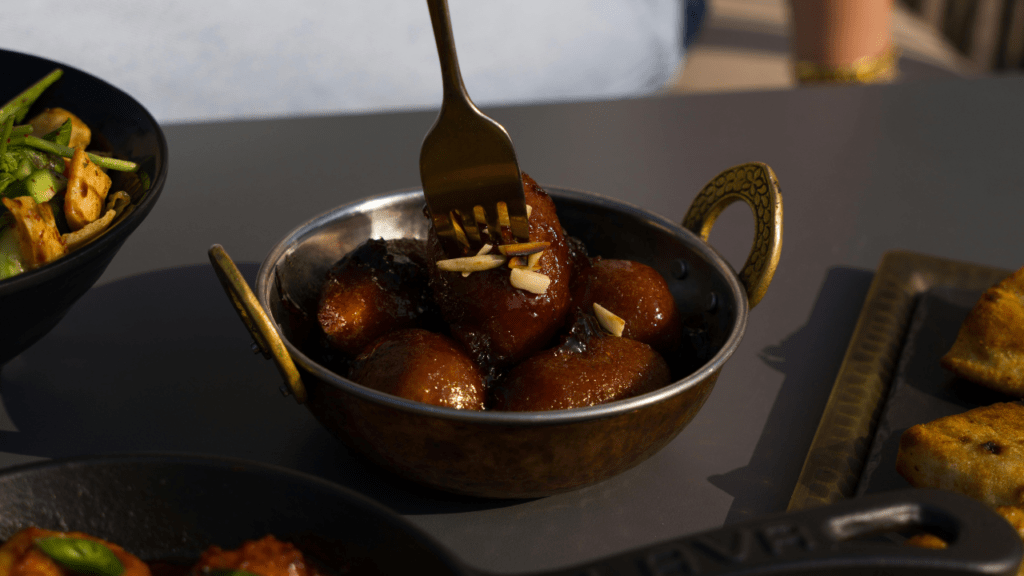
The history of gulabjamun sweet is as rich as its taste. Contrary to popular belief, gulab jamun did not originate in India alone—it is the result of cultural blending between India, Persia, and Central Asia.
Origins in Persia
The name “Gulab” comes from the Persian word:
- Gul = flower
- Ab = water
Together meaning rose water, the primary flavoring ingredient in the syrup of early versions of the dessert.
“Jamun” refers to the Indian fruit black plum, due to the sweet’s similar size and shape.
Persian cooks who came with invaders and traders introduced deep-fried dough balls soaked in flavored syrup. These were the ancestors of today’s gulab jamun.
Evolution in the Mughal Kitchens
During the Mughal era, chefs (called khansamas) perfected the art of using:
- Khoa (mawa)
- Milk solids
- Ghee
- Saffron
- Rose water
Their culinary innovation evolved into the gulabjamun sweet we know today.
Some legends even credit the royal chef of Emperor Shah Jahan for accidentally inventing it while experimenting with halwa ingredients!
Indian Regional Influence
Over time, each region gave its own twist:
- North India: Khoya gulab jamun
- West Bengal: Pantua
- South India: Dry jamun & milk jamun
- East India: Ledikeni (variation)
- Pakistan/Bangladesh: Dark, caramelized gulab jamun
Today, gulab jamun is a staple at:
- Diwali
- Holi
- Eid
- Weddings
- Anniversaries
- Prasad offerings
- Special family occasions
No Indian celebration feels complete without the signature soft ball of joy that is gulabjamun sweet.
Ingredients for Perfect Gulab Jamun
You can make gulab jamun using khoya (traditional method) or milk powder (modern, convenient method). Below are both versions.
Traditional Khoya Gulab Jamun Ingredients
For the Jamun Balls
- 1 cup soft khoya (mawa), crumbled
- ¼ cup paneer (optional for softness)
- 3 tbsp maida (all-purpose flour)
- 1 pinch baking soda
- 2 tbsp milk (or as needed for kneading)
- 1 tbsp ghee
For Sugar Syrup
- 2 cups sugar
- 2 cups water
- 4–5 cardamom pods, crushed
- 1 tsp rose water OR kewra water
- A few saffron strands (optional)
For Frying
- Ghee or oil (traditionally ghee gives the richest flavor)
Milk Powder Gulab Jamun Ingredients
This is quick and beginner-friendly.
For the Dough
- 1 cup milk powder
- ¼ cup maida
- ½ tsp baking powder
- ¼ cup milk
- 1 tbsp ghee
For Syrup
(Same as above)
Step-by-Step Process: How to Make Gulab Jamun
Let’s dive deep into the process to make perfect, soft, and evenly cooked gulab jamuns.
STEP 1: Prepare the Sugar Syrup
- Add sugar + water to a deep pan.
- Bring to a gentle boil.
- Add cardamom, rose water, and saffron.
- Heat until sugar dissolves and syrup turns slightly sticky.
- Keep warm — NEVER let it become thick like honey.
Tip: Gulab jamuns soak best in light, warm syrup, not thick sticky syrup.
STEP 2: Prepare the Dough
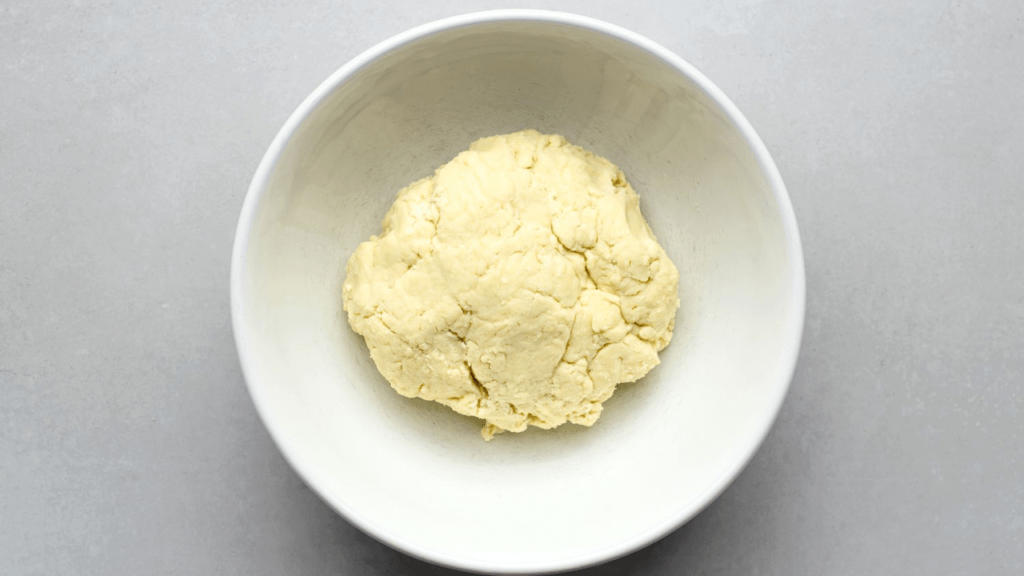
If using Khoya:
- Crumble khoya completely—ensure no lumps.
- Add paneer (if using), maida, and baking soda.
- Mix gently with fingers.
- Add milk little by little to make a soft, smooth dough.
- Do NOT knead aggressively; handle lightly.
If using Milk Powder:
- Combine milk powder + maida + baking powder.
- Add ghee and mix lightly.
- Add milk gradually to form dough.
STEP 3: Shape the Balls
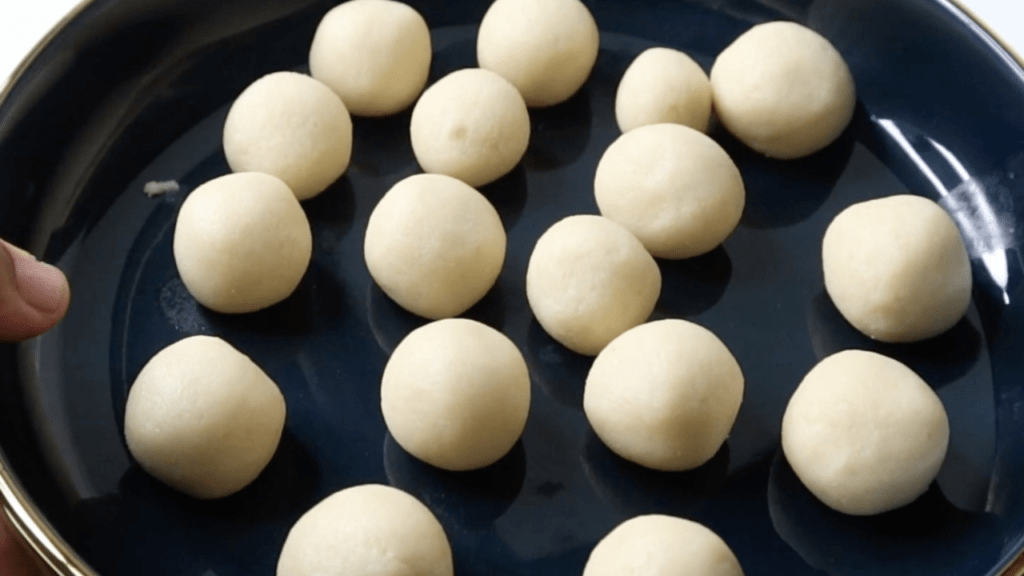
- Grease palms with ghee.
- Roll tiny portions into smooth, crack-free balls.
- If cracks remain, the jamun will break while frying.
Expert Tip:
Make small balls—they expand in syrup!
STEP 4: Frying Gulab Jamun
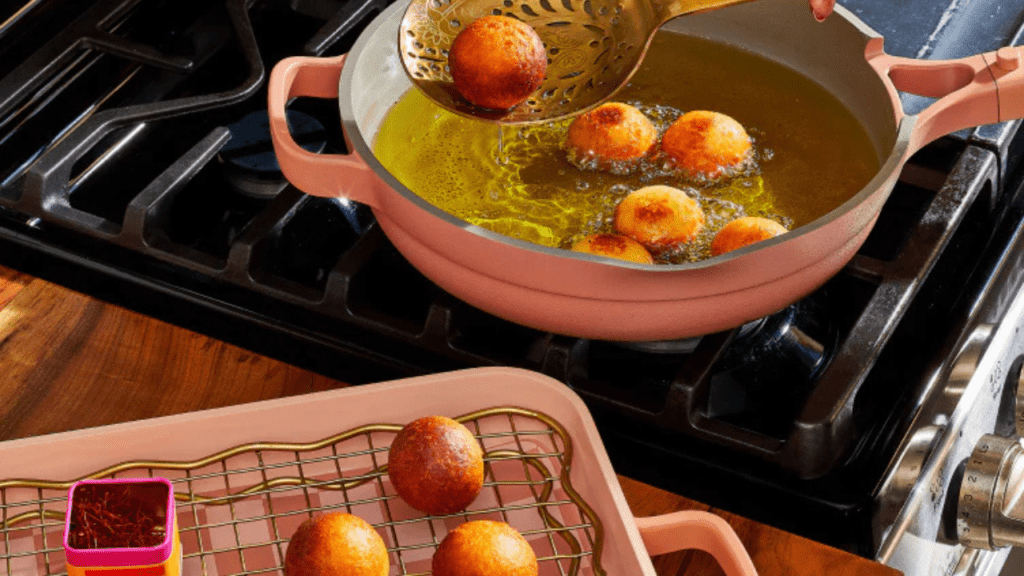
- Heat ghee or oil on LOW to MEDIUM flame.
- Drop balls gently—if they sink slowly, the oil temperature is perfect.
- Keep rotating them to cook evenly.
- Fry until golden brown.
Important:
High flame will burn the outside and leave the inside raw.
STEP 5: Soak in Sugar Syrup
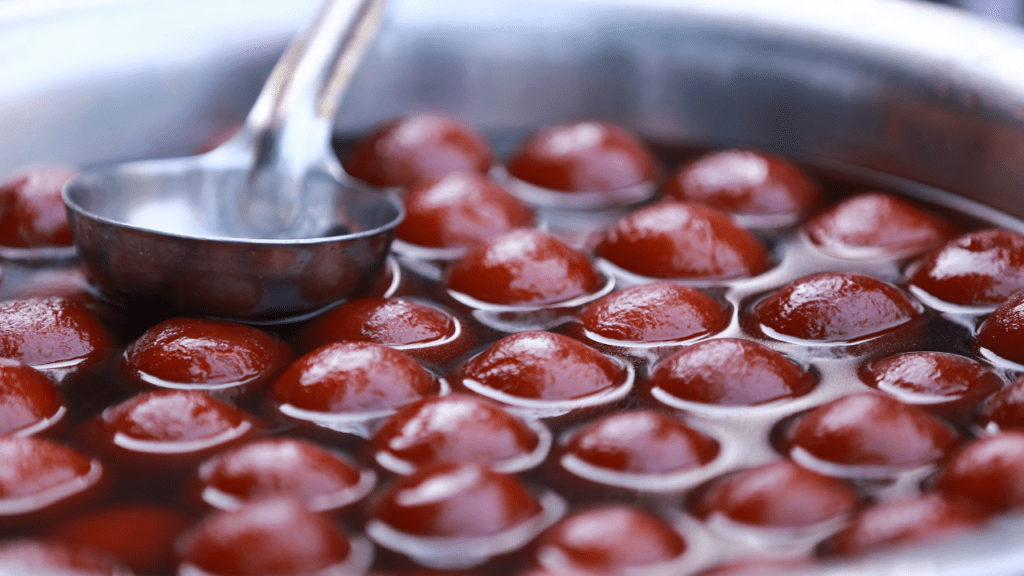
- Add hot fried jamuns to warm sugar syrup.
- They will begin to swell and become soft.
- Let them rest for at least 2 hours for best results.
Types & Variations of Gulabjamun Sweet
India loves experimenting with sweets, and gulab jamun has countless delicious variations.
1. Kala Jamun
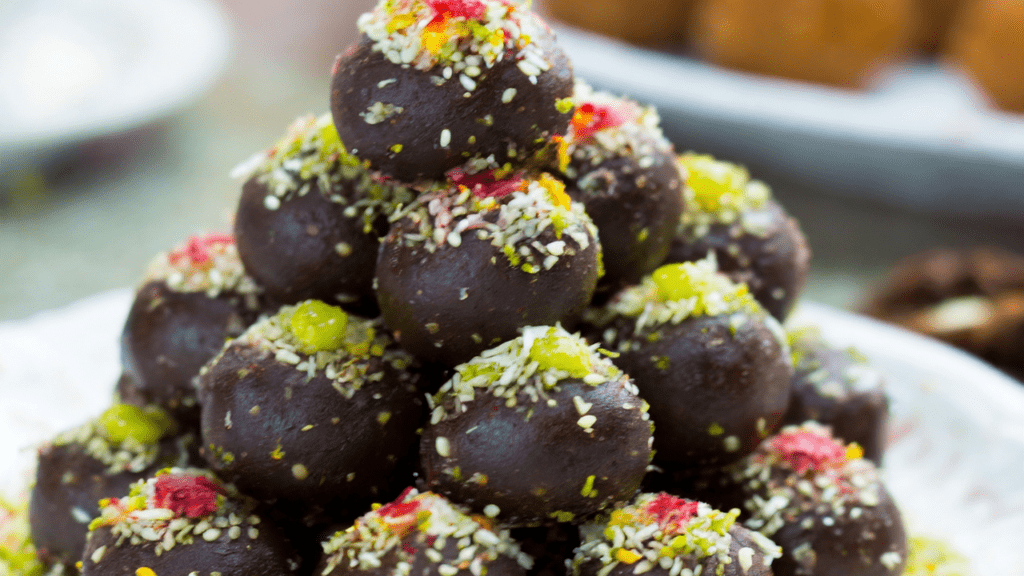
“Kala” means black, and this type is fried longer until the outer layer becomes almost blackish-brown.
Features:
- Caramelized flavor
- Fully soaked but slightly chewy
- Often stuffed with dry fruits
This version is very popular in North India and Maharashtra.
2. Dry Jamun
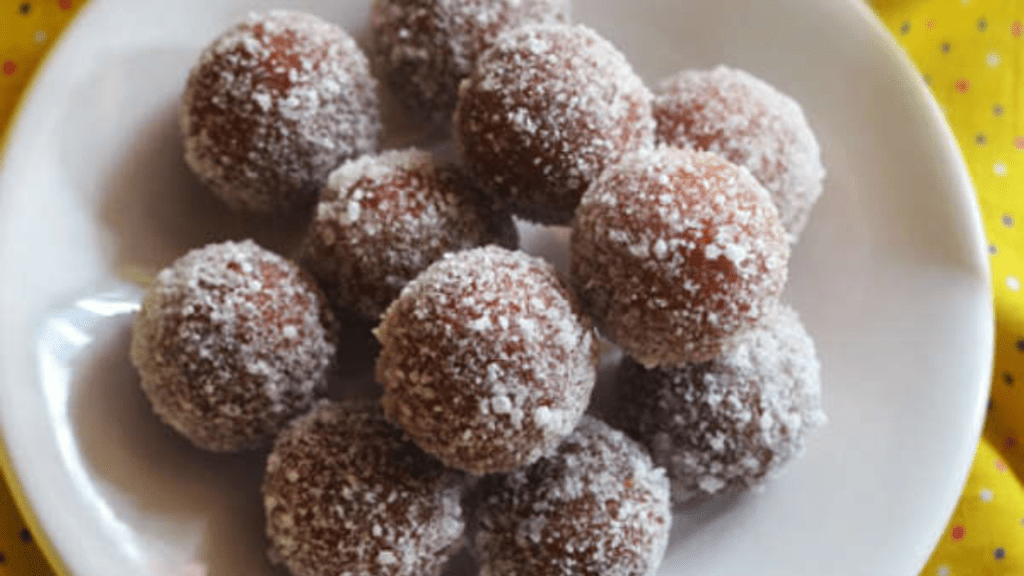
These gulab jamuns are not soaked in chashni or soaked lightly and then rolled in:
- Powdered sugar
- Desiccated coconut
- Cardamom powder
Features:
Perfect for gifting or travel
Sweeter exterior
Long shelf life
3. Stuffed Gulab Jamun
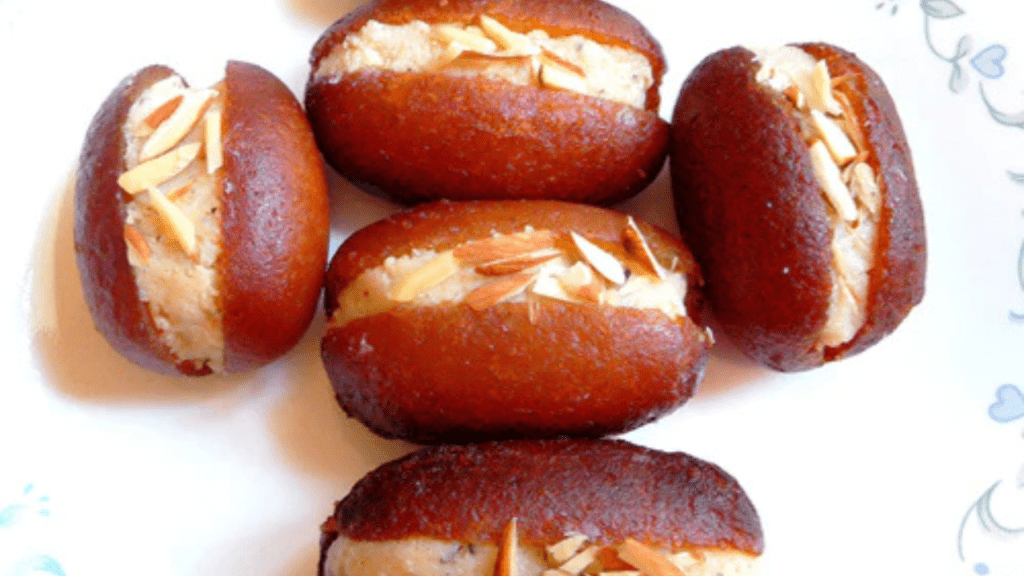
A richer, festive version filled with:
- Almonds
- Cashews
- Pistachios
- Gulkand
- Coconut
- Mawa
Features:
Rich aroma of nuts and saffron
Royal taste
Popular at weddings
4. Bread Gulab Jamun
Invented as a quick home hack using:
- Bread slices
- Milk
- Sugar
Features:
Perfect for sudden cravings
Quick and economical
Softer and lighter
5. Sweet Potato (Shakarkandi) Jamun
Healthier version using:
- Boiled sweet potato
- A little flour
Features:
Similar softness with a mild earthy flavor
Gluten-free
Lower in calories
6. Milk Powder Gulab Jamun
A modern, convenient version made using:
- Milk powder
- Maida
- Baking powder
- Milk
Features:
Perfect for home cooking
Quick to prepare
Slightly spongier than khoya version
7. Bengali Pantua
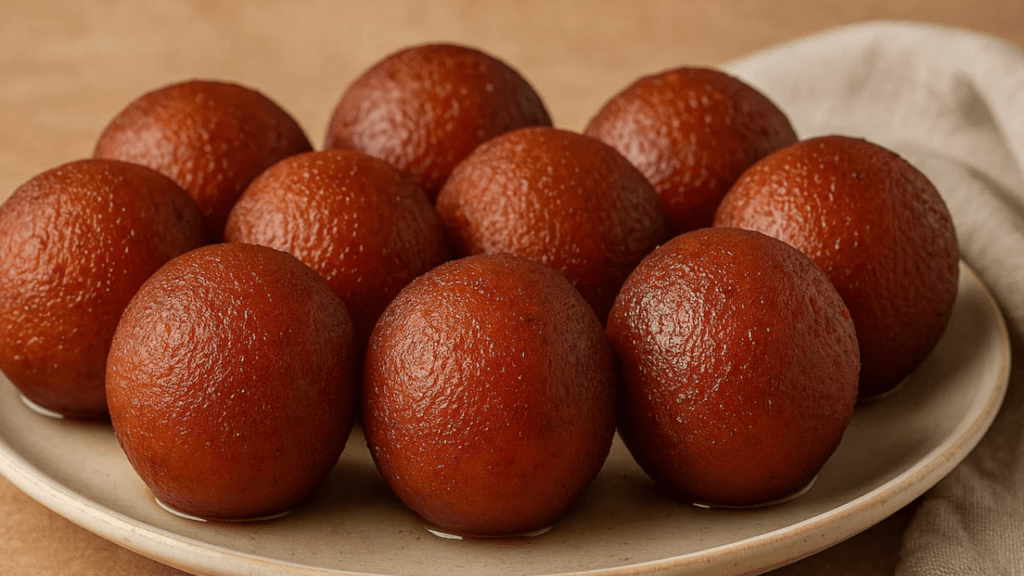
Pantua is the Bengali cousin of gulab jamun.
Made from:
- Chhena (cottage cheese)
- Khoya
- Suji
Features:
Strong caramelized flavor
Firmer texture
Oval shape
8. Ledikeni
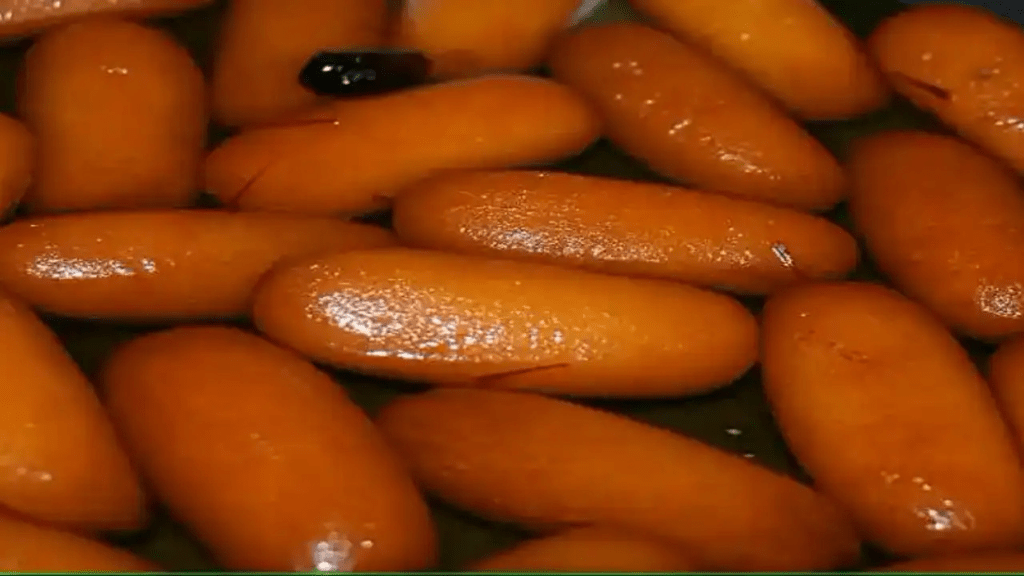
Invented during British Raj and named after Lady Canning.
Features:
Smaller in size
Deep-fried longer
Caramelized outer shell
Lighter insidegoogle.com
Serving Ideas for Gulabjamun Sweet
1. Serve warm with vanilla ice cream
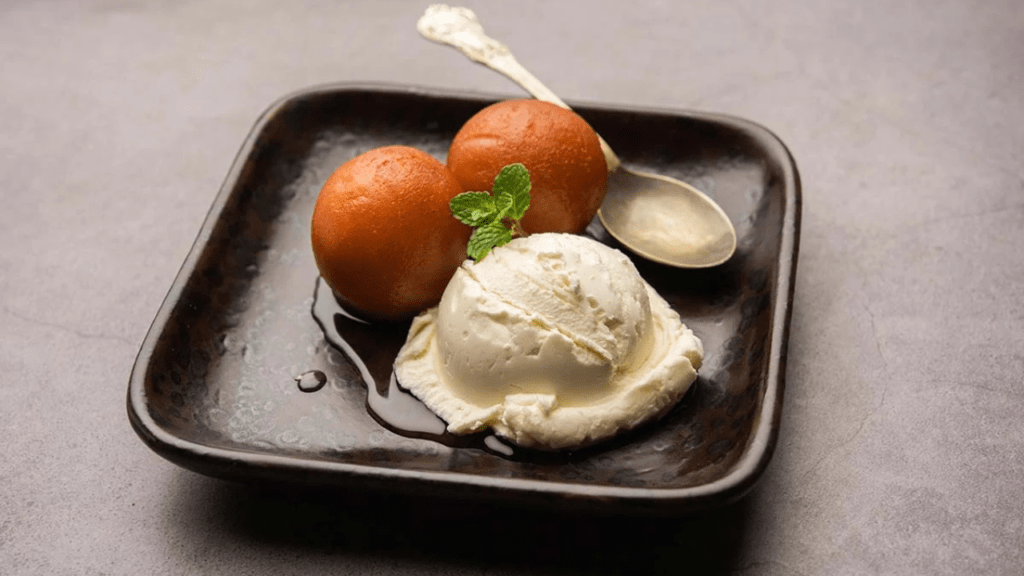
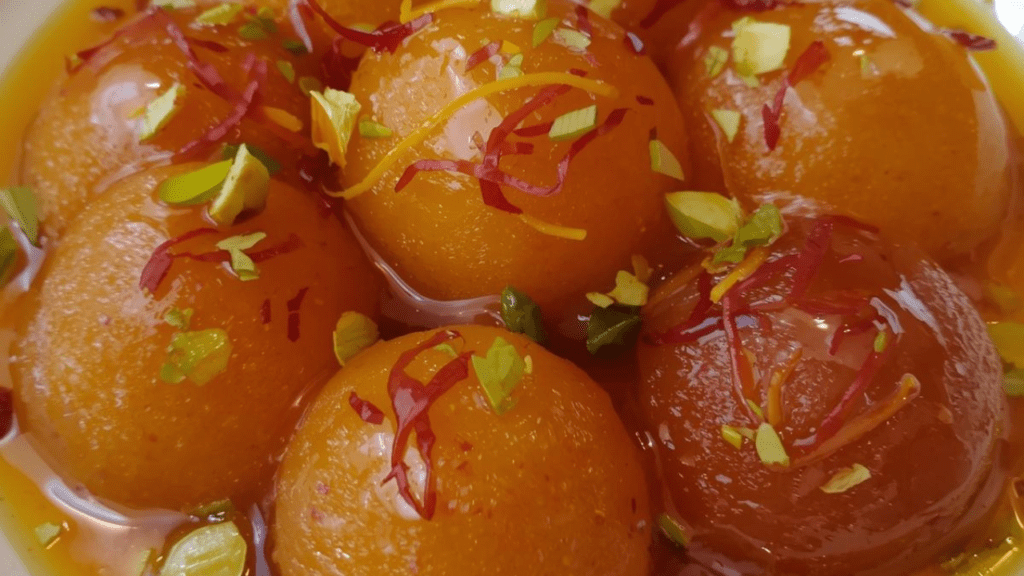
2. Garnish with pistachios and saffron
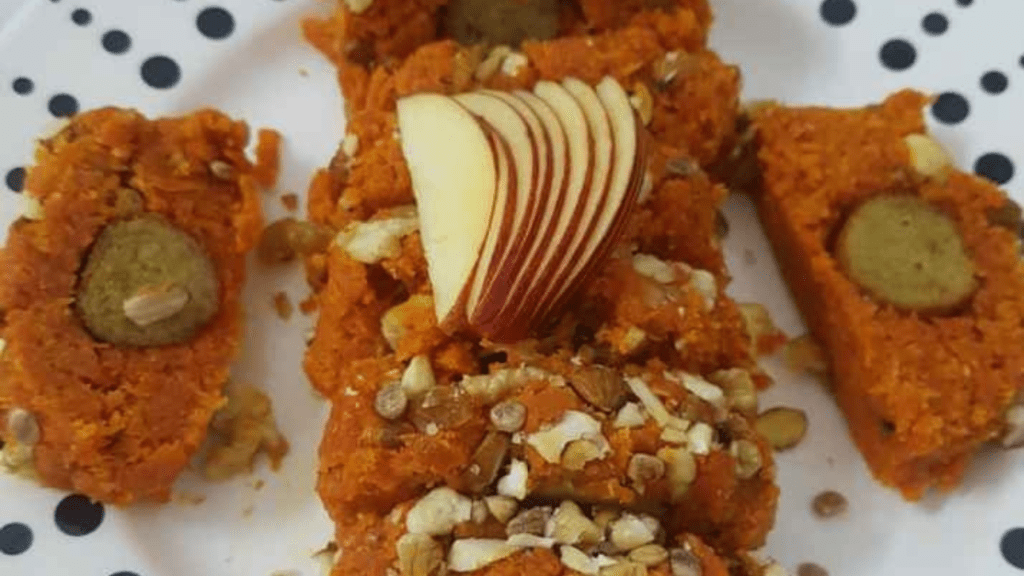
3. Use as topping for halwa
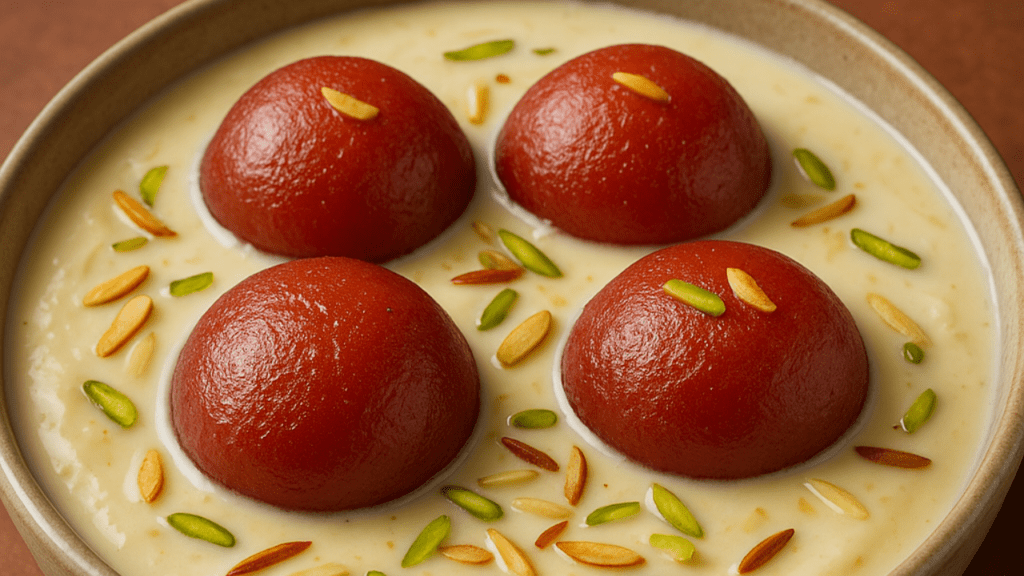
4. Serve with rabri (a royal combination)
5. Add in falooda or Indian fusion desserts
Interesting Facts About Gulabjamun Sweet
Here are surprising and fun facts you probably didn’t know:
1. Not Originally Indian
Gulab jamun has Persian roots but evolved in India during Mughal rule.
2. It Uses the Science of Osmosis
Soaking in sugar syrup works because the fried dough absorbs moisture through osmosis.
3. “Jamun” Isn’t Just a Name
It resembles the Indian fruit Jamun, hence the name.
4. It’s a Wedding Staple Across India
No Indian wedding menu is complete without gulabjamun sweet.
5. Gulab Jamun Day
October 10th is unofficially celebrated as World Gulab Jamun Day by food lovers.
6. It Has Over 20 Regional Variations
Every region has a different twist—from color to texture to stuffing.
7. Best Served Warm
Reheating improves flavor because warmth enhances syrup absorption.
8. One of India’s Most Ordered Desserts Online
Gulab jamun consistently ranks among the top sweets ordered on Indian food apps.
Why Gulab Jamun Is So Soft? (Food Science Behind It!)
The signature softness happens due to:
- Milk solids absorbing syrup
- Baking soda creating tiny air pockets
- Frying at the right temperature
- Syrup penetrating the porous dough structure
This combination gives gulab jamun its melt-in-the-mouth texture.
Health & Nutrition (Yes, It’s Sweet but…)
While gulabjamun sweet is indulgent, it also provides:
- Energy
- Calcium (from milk solids)
- Good fats when fried in ghee
Moderation is key!
Common Mistakes & How to Avoid Them
1. Jamuns cracking while frying
Reason: Dry dough or improper rolling
Fix: Add a little milk and knead lightly
2. Jamuns becoming hard
Reason: Thick syrup or less soaking
Fix: Use light syrup
3. Jamuns staying raw inside
Reason: Oil too hot
Fix: Fry on low heat
4. Jamuns shrinking after soaking
Reason: Dense dough
Fix: Add correct amount of baking soda
The gulabjamun sweet is more than just a dessert—it’s a symbol of tradition, celebration, and love. From its royal Mughal origins to its modern variations, gulab jamun continues to rule hearts and palates across the globe.
Making it at home connects us to centuries of culinary art and fills our kitchens with the aroma of warmth and festivity. Whether you enjoy it hot, cold, stuffed, dry, or with ice cream, gulab jamun will always remain a timeless Indian classic.