
The ultimate blend of crunch, spice, and nostalgia. google.com
“Discover the crispy, golden aloo samosa – a classic Indian snack filled with spicy potatoes and peas. Learn how to make perfect, flaky samosas at home.”foodaffairdiaries.com
Ingredients You Need
For the dough (outer crust):
- 2 cups all-purpose flour (maida)
- ¼ cup oil or ghee
- ½ tsp carom seeds (ajwain)
- ½ tsp salt
- Water (as needed)
For the potato stuffing:
- 4–5 boiled potatoes (crumbled)
- ½ cup boiled peas
- 1 tsp ginger (finely chopped)
- 2 green chillies (finely chopped)
- 1 tsp cumin seeds
- 1 tsp coriander powder
- 1 tsp garam masala
- 1 tsp red chilli powder
- 1 tsp dry mango powder (amchur)
- ½ tsp turmeric
- Salt to taste
- 2 tbsp oil
- Fresh coriander leaves
For frying:
- Oil (as required)
Chutney Ingredients (Mint + Coriander Green Chutney)
- 1 cup mint leaves
- 1 cup coriander leaves
- 2 green chillies
- 1-inch ginger
- ½ lemon
- Salt to taste
- 1 tsp cumin powder
- 2–3 tbsp water (as needed)
How to Make Perfect Aloo Samosa (Step-by-Step)
1. Make the dough
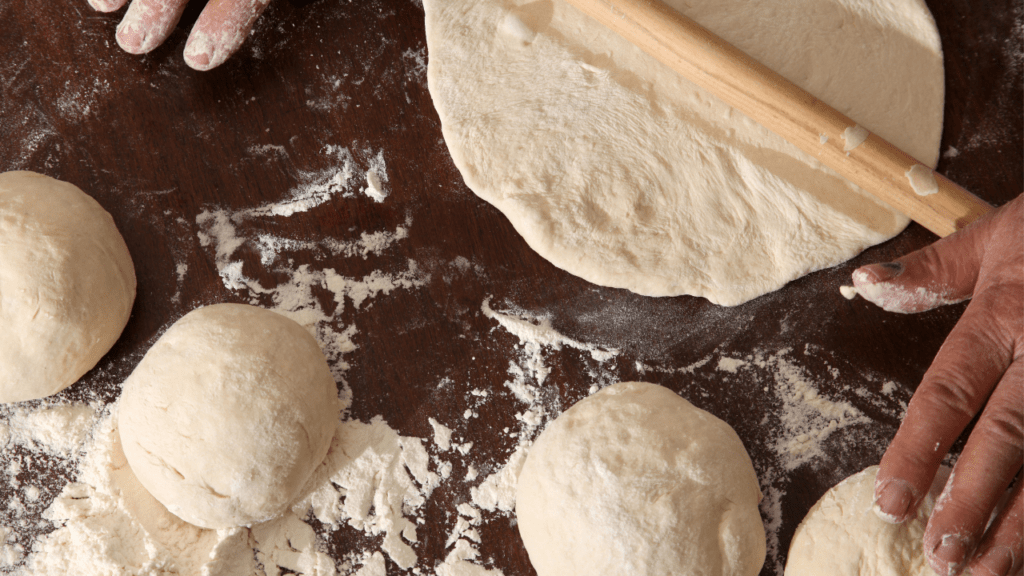
- Mix flour, salt, and ajwain in a bowl.
- Add oil/ghee and rub between your fingers till it resembles breadcrumbs.
- Add water slowly and knead into a stiff dough.
- Rest for 15 minutes.
2. Prepare the filling
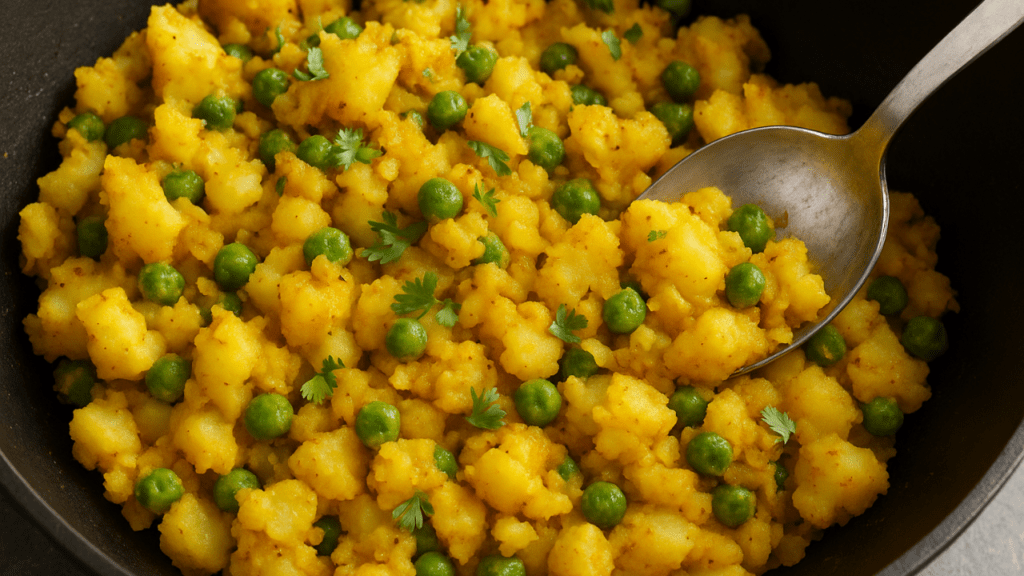
- Heat oil in a pan.
- Add cumin seeds, ginger, and green chillies.
- Add crumbled potatoes and peas.
- Add all spices and mix well.
- Cook for 5 minutes and set aside to cool.
3. Shape the aloo samosas
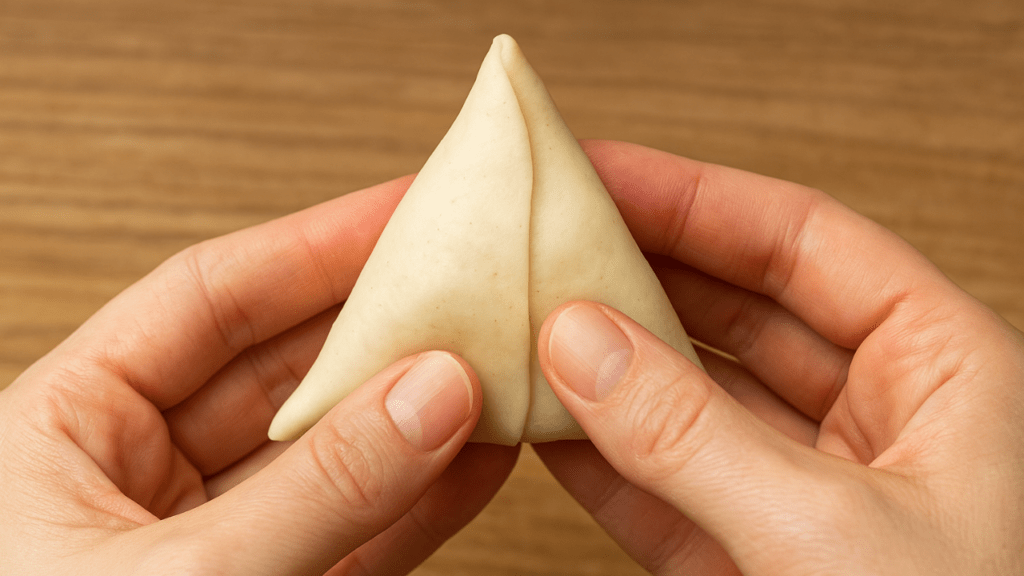
- Divide the dough into small balls.
- Roll each ball into an oval shape.
- Cut the oval into two halves.
- Form a cone with one half, sealing the edge with water.
- Stuff the cone with potato mixture.
- Seal the top tightly.
4. Fry the aloo samosas
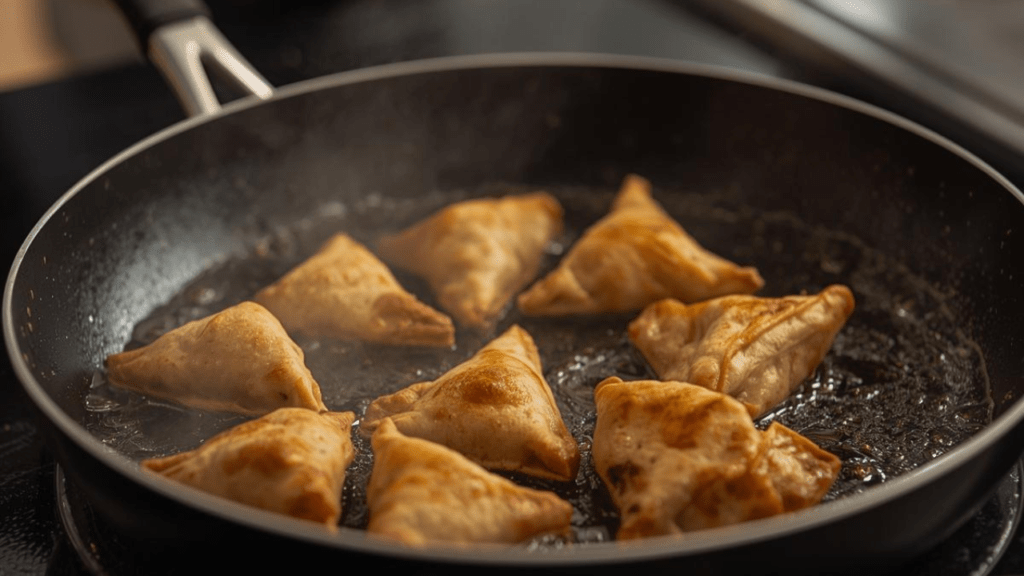
- Heat oil on low-medium flame.
- Add samosas and fry until golden and crispy.
- Don’t fry on high flame — it prevents bubbles and keeps crust crisp.
Green Chutney Recipe (Quick & Fresh!)
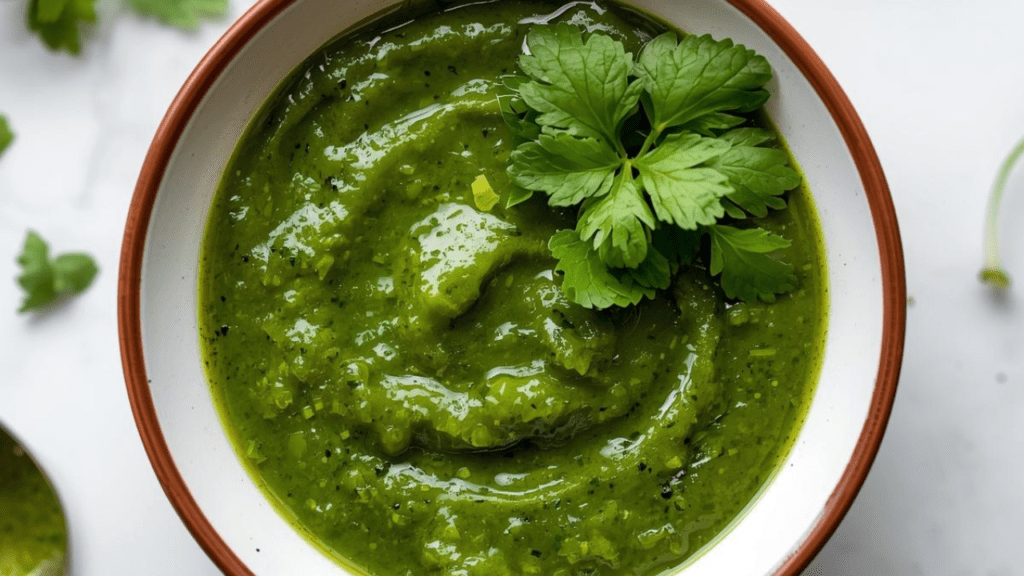
Blend Together:
- Mint
- Coriander
- Chillies
- Ginger
- Lemon
- Salt
- Cumin powder
- Water
Blend until smooth. Adjust seasoning and consistency.
This chutney remains fresh for 2–3 days when refrigerated.
🍽 Serving Suggestions
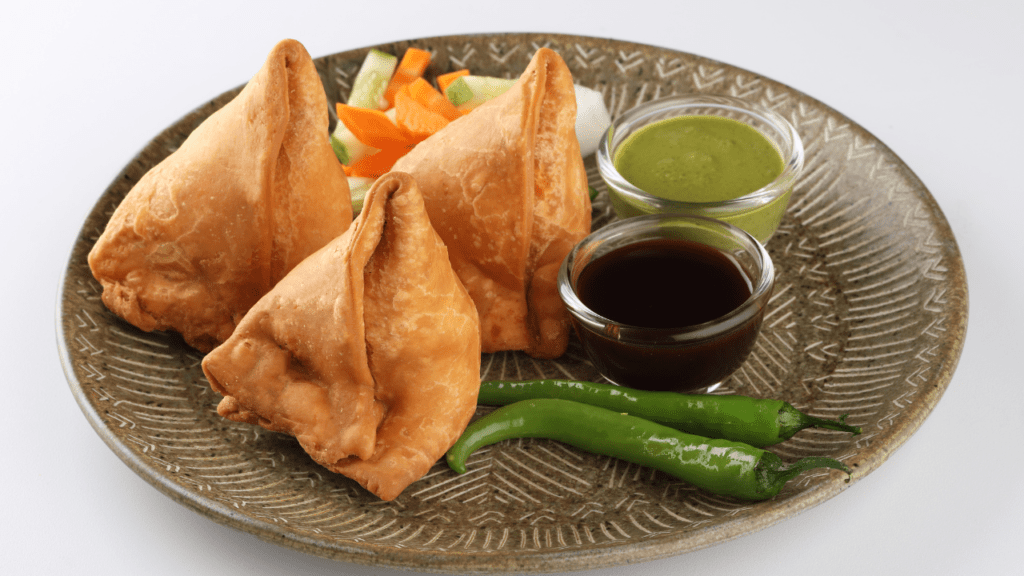
Mint-coriander chutney and Tamarind sweet chutney with aloo samosa
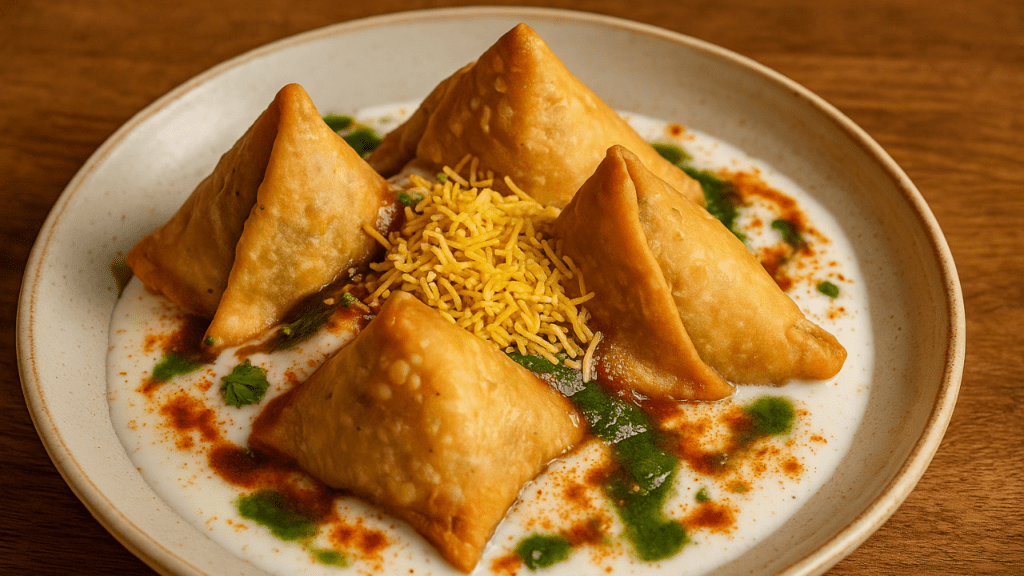
Dahi + Sev (for a chatpata twist)
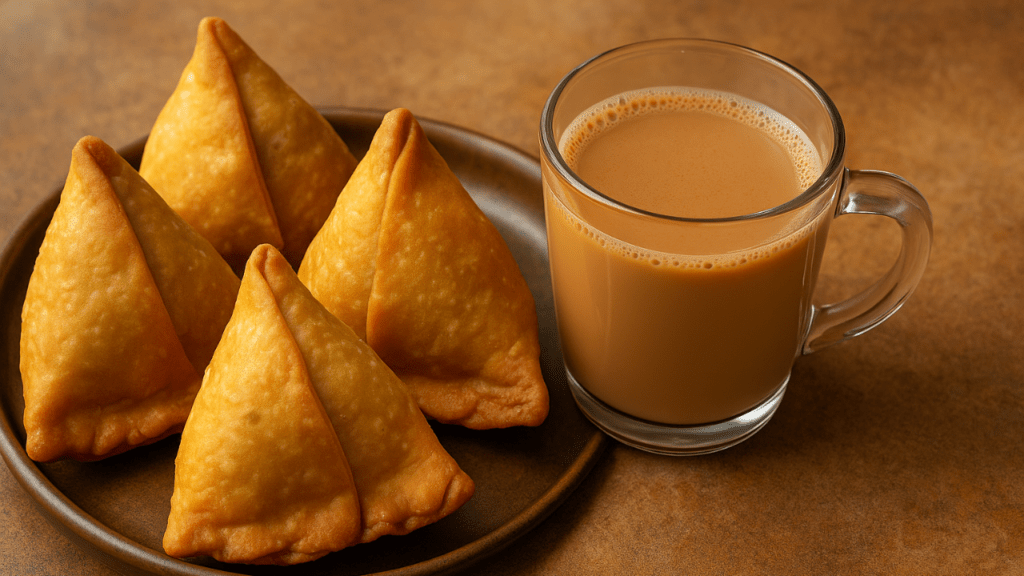
Aloo samosa and Masala tea (perfect combo!)
The Story Behind Aloo Samosa: From Middle Eastern Pastry to Indian Street Legend
Although samosas feel deeply Indian, their origins go back to the Middle East and Central Asia, where a similar triangular pastry called “Sambusak” was enjoyed by traders and travellers. These pastry pockets were filled with minced meat, nuts, and spices — easy to carry and long-lasting.
When merchants brought them to India around the 13th century, local kitchens reinvented the recipe using:
- Potatoes
- Peas
- Indian spices
- Fresh coriander
- Green chillies
And thus, the beloved Indian vegetarian samosa was born.
Today, samosas are enjoyed everywhere — from street vendors to fine dining restaurants.
The samosa, today one of the most beloved Indian snacks, has a story that stretches far beyond the borders of the Indian subcontinent. Long before it became the crispy, triangular treat stuffed with spiced potatoes, peas, or meat, the samosa had an entirely different identity and name. Its journey began around the 10th century in the ancient regions of the Middle East and Central Asia, where it was known as “sanbosag,” “sambosa,” or “sambusak.” These early versions were small, portable pastries filled primarily with minced meat, nuts, onions, and spices—perfect for travelers and merchants moving along trade routes.
As traders carried these savory pockets across Persia, Afghanistan, and Central Asia, the dish evolved. Persian literature from as early as the 11th century praises the sambosa as a royal delicacy served in lavish courts. Poets and scholars mentioned it frequently, proof of its popularity among the elite. During this time, the triangular or crescent-shaped pastry was often fried or baked and enjoyed as a festive treat during gatherings.
The turning point in the samosa’s history came when it entered India during the 13th and 14th centuries, brought by Middle Eastern chefs, merchants, and travelers to the royal courts of the Delhi Sultanate. Indian cooks quickly adopted and transformed it. They replaced the meat-based fillings with locally available ingredients—most notably potatoes, which arrived in India later through Portuguese traders but eventually became the staple filling we know today. They also added spices like cumin, coriander, ginger, garam masala, and chilli, giving the samosa its distinct Indian flavor profile.
As the snack filtered down from royal kitchens to local street vendors, it underwent even more regional adaptations. In North India, the samosa became larger and heartier, filled with mashed potatoes and green peas. In South India, versions included onions or lentils. In Bengal, it became the singara, slightly smaller and often filled with cauliflower or nuts. Across the West, meat-filled variants remained popular, while in many parts of India, sweet samosas emerged during festive seasons.
Today, the samosa stands as a symbol of India’s vibrant culinary history—a fusion of ancient Persian techniques, Central Asian trade culture, and Indian creativity. Its story is one of travel, transformation, and timeless appeal. From royal courts to bustling streets, the samosa continues to connect cultures through its irresistible crunch and comforting flavors.
1. Aloo Samosa (Potato)
The classic Indian samosa filled with spiced mashed potatoes, peas, and aromatic masalas. This is the most searched and cooked recipe worldwide.
2. Punjabi Samosa
A larger, crispier version with a thick crust and a rich filling of potatoes, peas, dry mango powder (amchur), kasuri methi, and whole spices.
3. Vegetable Samosa
A mixed-veg version using carrots, beans, peas, cauliflower, and potatoes. Popular for a healthier, nutrient-rich variation.
4. Keema Samosa (Mutton/Chicken Samosa)
Filled with spiced minced meat, onions, garlic, and garam masala. Often made during Ramadan and festive gatherings.
5. Paneer Samosa
A vegetarian favorite filled with crumbled paneer, capsicum, tomatoes, and Indian spices. Mild, creamy, and flavorful.
6. Sweet Samosa (Meetha Samosa)
Stuffed with khoya, dry fruits, sugar, cardamom, and nuts. Popular during festivals like Diwali or Holi.
7. Chinese Samosa
A fusion recipe filled with noodles, cabbage, capsicum, carrots, and soy sauce. Perfect for Indo-Chinese food lovers.
8. Cheese Samosa
Filled with mozzarella, cheddar, or paneer cheese mixed with herbs. Very popular among kids and party snack menus.
9. Lentil Samosa (Dal Samosa)
A Rajasthani-style samosa filled with spicy masoor dal or moong dal. Crunchy, tangy, and perfect with chutneys.
10. Mini Cocktail Samosa
Small bite-sized samosas filled with potatoes or paneer, often served at parties, weddings, and corporate events.
11. Baked or Air-Fried Samosa
A healthier alternative where samosas are baked or air-fried instead of deep-fried, but still crispy and delicious
Frequently Asked Questions About Aloo Samosa
1. What is samosa made of?
Samosa is typically made of a crispy flour pastry filled with spiced potatoes, peas, onions, lentils, or meat.
2. How do I make it crispy?
Use tight dough, add a little ghee/oil to the dough, roll evenly, and fry on low to medium heat.
3. Why does my aloo samosa become soggy?
Samosas become soggy when fried on high heat or when not cooled properly before storing.
4. Which flour is best for making?
Traditional samosas use all-purpose flour (maida) for a flaky, crispy crust.
5. Can I bake or air-fry aloo samosas instead of deep frying?
Yes! Baked or air-fried samosas are healthier and still turn out crispy.
6. How do I prevent aloo samosas from opening while frying?
Seal the edges with water-flour paste and avoid overstuffing.
7. What oil is best for frying samosas?
A neutral oil like refined sunflower, soybean, or vegetable oil works best.
8. Can samosas be made ahead of time?
Yes. You can prepare and freeze them before frying.
9. How do I store leftover samosas?
Store in an airtight container and reheat in an oven or air fryer for crispiness.
10. What chutney goes best with aloo samosas?
Mint-coriander chutney and sweet tamarind chutney are classic pairings.
11. Are samosas vegan?
Most vegetable samosas are vegan unless ghee or dairy-based stuffing is used.
12. What are the most popular samosa fillings?
Aloo (potato), paneer, keema (minced meat), mixed vegetables, cheese, and lentils.
13. Why does my samosa dough crack?
Dough cracks if it’s too dry or not kneaded properly.
14. How long should I rest samosa dough?
Rest the dough for 15–20 minutes for a smooth, pliable texture.
15. What is the difference between samosa and singara?
Samosa (North India) is bigger and spicier; singara (Bengal) is smaller with a lighter filling.
Aloo samosa is not just a popular snack—it’s a timeless taste that connects people across streets, homes, and celebrations. Its crispy golden crust, warm spiced potato filling, and irresistible aroma make it a comfort food that never loses its charm. Whether enjoyed with tangy chutney, served at gatherings, or savored during a quiet tea break, the aloo samosa brings a sense of joy and nostalgia to every bite. In the end, it remains a simple yet iconic Indian delicacy that continues to win hearts with its flavour and tradition.